Get Full Government Meeting Transcripts, Videos, & Alerts Forever!
Get email alerts on the Growth Strategy topic
No spam. Unsubscribe anytime.
Planning staff outline citywide Columbus Growth Strategy to guide zoning updates
Summary
Planning Division staff presented a citywide Columbus Growth Strategy intended to provide the policy foundation for the ZoneIn zoning update and said phase 2 will cover roughly 40% of the city with a planned council adoption target in December.
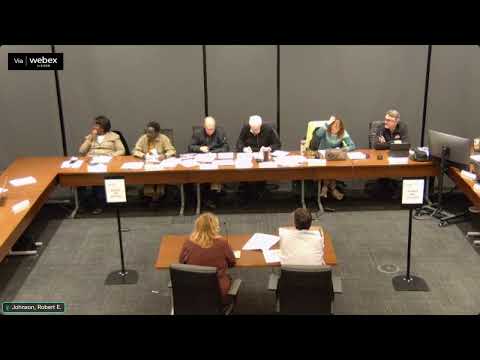
Planning Division staff told the Development Commission that the city is advancing a Columbus Growth Strategy intended to provide the policy foundation for a multi‑phase zoning update.
"This will provide the policy basis for ZoneIn," said Mark Trevilles of the planning division, explaining that phase 1 was adopted in 2024, phase 2 covers roughly 40% of the city and staff hopes to present the policy for council adoption in December. Louis Taba, project manager, said phase 3 would follow after zoning work and that the full zoning update is expected to proceed in 2026–2027.
The presentation described three core components: a citywide land‑use map, updated design guidelines applied citywide, and land‑use policies that emphasize flexibility, mixed uses and a path for converting legacy industrial sites to mixed‑use development. "We want to help enable projects through investment that are consistent with the strategy," Trevilles said.
Staff recounted public outreach for the project: online surveys, four advertised workshops, 26 pop‑up events, more than 3,200 survey responses and about 2,078 in‑person interactions. According to staff, public input has been "largely supportive," with roughly 65–75% support for the draft approach.
Commissioners pressed staff about whether the strategy’s language would carry regulatory weight and whether the plan would include traffic and transportation measures. Trevilles and Taba emphasized the document is policy, not code, but said policy language is frequently leveraged in project review. "It's policy, and we say we need to use 'shoulds' and not 'shalls,'" Trevilles said, while noting the division can use guidance to encourage investment and coordination with other departments.
Several commissioners urged clearer cross‑departmental links to transportation and traffic mitigation, and staff agreed to refine language and to maintain a mechanism for regular updates to the citywide plan. The commission will consider the planning recommendation and may forward a recommendation to City Council when the item is formally on the council calendar.
The Development Commission did not take a final policy vote during the presentation; the Growth Strategy will move through the city’s normal docketing process toward City Council consideration in December.