Westcap tells Chippewa County supervisors it provided thousands of local services in 2024 and faces short‑term reimbursement risks
Loading...
Summary
West Central Wisconsin Community Action Agency told the Chippewa County Board its programs served thousands of local households in 2024, outlined food, housing and energy assistance numbers, and warned the agency’s reimbursement‑based funding model can create short‑term cash‑flow stress when state or federal portals are unavailable.
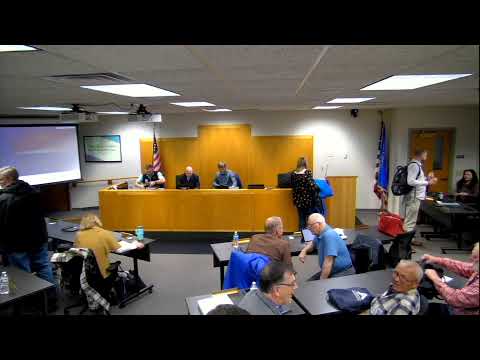
Tim Mather, executive director of West Central Wisconsin Community Action Agency (Westcap), told the Chippewa County Board of Supervisors that Westcap — adopted by Chippewa County in 1968 — provides food, housing and energy assistance across seven counties and runs on a mix of federal, state and private funds.
"We receive about $380,000 a year of CSBG funding," Mather said, referring to the Community Services Block Grant, and added that CSBG represents a small but flexible portion of Westcap’s overall budget. He told supervisors Westcap served roughly 2,721 households in Chippewa County and that the agency serves about 40,000 people across its service area.
Mather listed Westcap’s largest programs by volume as food access; energy assistance; and housing services, including HUD‑funded rapid rehousing and permanent supportive housing. He said the agency administered energy assistance previously run by the county and cited program volumes: about 4,351 households received energy assistance and Westcap weatherized 232 homes locally.
On local economic impact, Mather said most program dollars flow to Main Street businesses that provide services and materials. He named Wersgala Plumbing and Heating in Eau Claire as a long‑standing contractor and estimated the total value of services Westcap provided to Chippewa County in 2024 at roughly $2.9–$3.0 million. "For the most part, 99.9% of the money that Westcap receives... goes to Main Street in Wisconsin," he said.
Several supervisors asked questions about program eligibility and finances. Supervisor Henick asked whether furnace repairs or replacements covered by Westcap apply to rental properties; Mather replied such work is typically reserved for owner‑occupied homes on energy assistance, and that rental work is considered only if the owner or other unit occupants also qualify for assistance. Supervisor Griffin asked whether administrative funds are adequate for programs such as TFAP or TBRA; Mather said Westcap frequently operates with slim administrative margins and relies on prescribed federal and state program rules.
Mather also described Westcap’s funding model as reimbursement‑based: the agency performs services and bills state or federal funders, which then reimburse the agency. He said portal outages — including a brief HUD login issue earlier in the year — can create short‑term cash‑flow pressure, but that prior outages were resolved.
The presentation concluded with an announcement of a 60th‑anniversary Westcap fundraiser and an offer to leave contact cards for supervisors with follow‑up questions. The board did not take any action on the presentation itself.