Selma planning commission recommends City Council certify EIR for Casitas Selma mixed‑use project
Loading...
Summary
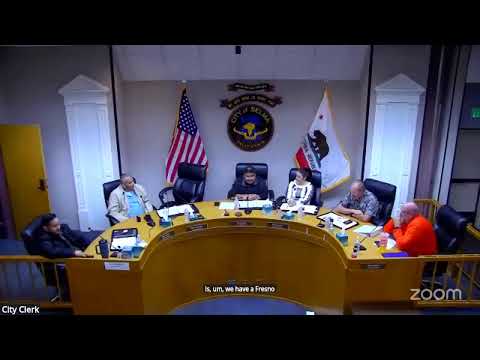
The planning commission voted Nov. 13 to recommend that the City Council certify the final EIR and adopt the mitigation monitoring program for the Casitas Selma project, a proposed mixed‑use development of roughly 39 acres with about 600 multifamily units, commercial space and a hotel. Commissioners debated traffic, school impacts, accessibility and long‑term maintenance before approving the recommendation.
The Selma City Planning Commission on Nov. 13 voted to recommend that the City Council certify the final Environmental Impact Report (EIR) and adopt the Mitigation Monitoring and Reporting Program for the Casitas Selma mixed‑use project (application 2022‑0030), a proposal to annex roughly 75.3 acres and develop about 39.07 acres immediately west of Highway 99 near Floral Avenue.
Staff described the proposal as a mixed‑use center with about 600 multifamily units (divided by the applicant into 300 market‑rate units, 120 senior units and 180 workforce/affordable units), about 40,000 square feet of commercial retail and restaurant space, a 100‑key hotel and a 3.57‑acre central public park. Staff told commissioners the project is subject to a final EIR (schedule no. 2024070105) and that most impacts can be mitigated to less‑than‑significant levels, though “some impacts remain significant and unavoidable,” consistent with the staff report.
Developer representatives framed the project as workforce housing and a pedestrian‑oriented, mixed‑use infill effort. “We strongly emphasize a pedestrian friendly mixed use project,” said Sal Gonzalez of Lance Cashin and Company during the presentation. The applicant also emphasized prior work in the region and said the residential and commercial components are designed to advance the city’s housing goals.
Opponents and nearby residents raised traffic, safety and accessibility concerns during public testimony. “If you guys gonna bring 600 people more, it’s gonna be more busier,” said Anita Gonzalez, a local resident, expressing concerns about Floral Avenue congestion and access to Highland. Other commenters asked whether senior and accessible units would have elevators, whether trash trucks would impede circulation, how emergency access would be ensured and whether Selma residents would have preference for deed‑restricted affordable units.
The applicant’s traffic expert, Jose Luis Benavides of JLB Traffic Engineering, told the commission the mixed‑use plan would generate fewer daily trips than a fully commercial development allowed under the site’s previous general plan designation and said the project would fund and construct off‑site circulation improvements, including widening Stillman Street and a new north‑south connector. Benavides said the fully commercial scenario could generate roughly 19,000 daily trips versus “a little over” 9,000 for the mixed‑use alternative, and that internal roads are being designed with traffic calming to target speeds around 20–25 mph.
Commissioners and staff also discussed long‑term maintenance and funding. Planning staff and the applicant said private streets and park maintenance would be handled through a community facilities or assessment district created by the development; staff also said estimated impact fees to the city from this and similar development were on the order of $6 million for sewer, traffic, parks and other public facilities, though final fees and credits would be determined during permitting and any development agreements.
Planning staff framed the proposal within Selma’s Regional Housing Needs Allocation (RHNA) obligations, noting the city’s RHNA target of roughly 1,492 units for 2024–2033 and that this project could supply a substantial portion of that need if constructed during the reporting period. Jerome (planning staff) explained the project’s role in the multi‑jurisdictional housing element and said the Selma Unified School District has accounted for the development in facility planning amid recent enrollment declines.
After discussion, a commissioner moved to recommend certification of the final EIR and adoption of the MMRP and related approvals; a second was made and the commission took roll call. The recorded roll call in the meeting transcript showed at least three votes in favor and at least two opposed; the motion carried. The commission’s action is a recommendation to the City Council — the Council must still consider certification, the MMRP and any entitlements.
The project team said several technical details (exact parking layout, elevator decisions for senior buildings, and final security staffing and camera counts) will be finalized at the construction drawing and building permit stages and that affordability covenants and deed restrictions will be recorded to preserve the affordability levels for the required term. The applicant estimated workforce rents in an approximate range and said deed‑restricted affordable rents will follow tax‑credit and regulatory program requirements.
Next steps: The City Council will consider the planning commission’s recommendation, the final EIR and the proposed entitlements in a future public hearing; the commission’s vote does not itself grant construction permits or annexation. If the Council certifies the EIR and approves the entitlements, subsequent conditions of approval, development agreements and required permits will govern construction timing and off‑site improvements.