
UN: Zikim crossing to reopen for humanitarian cargo but procedures will slow aid; telecom outage threatens operations
Get AI-powered insights, summaries, and transcripts
Subscribe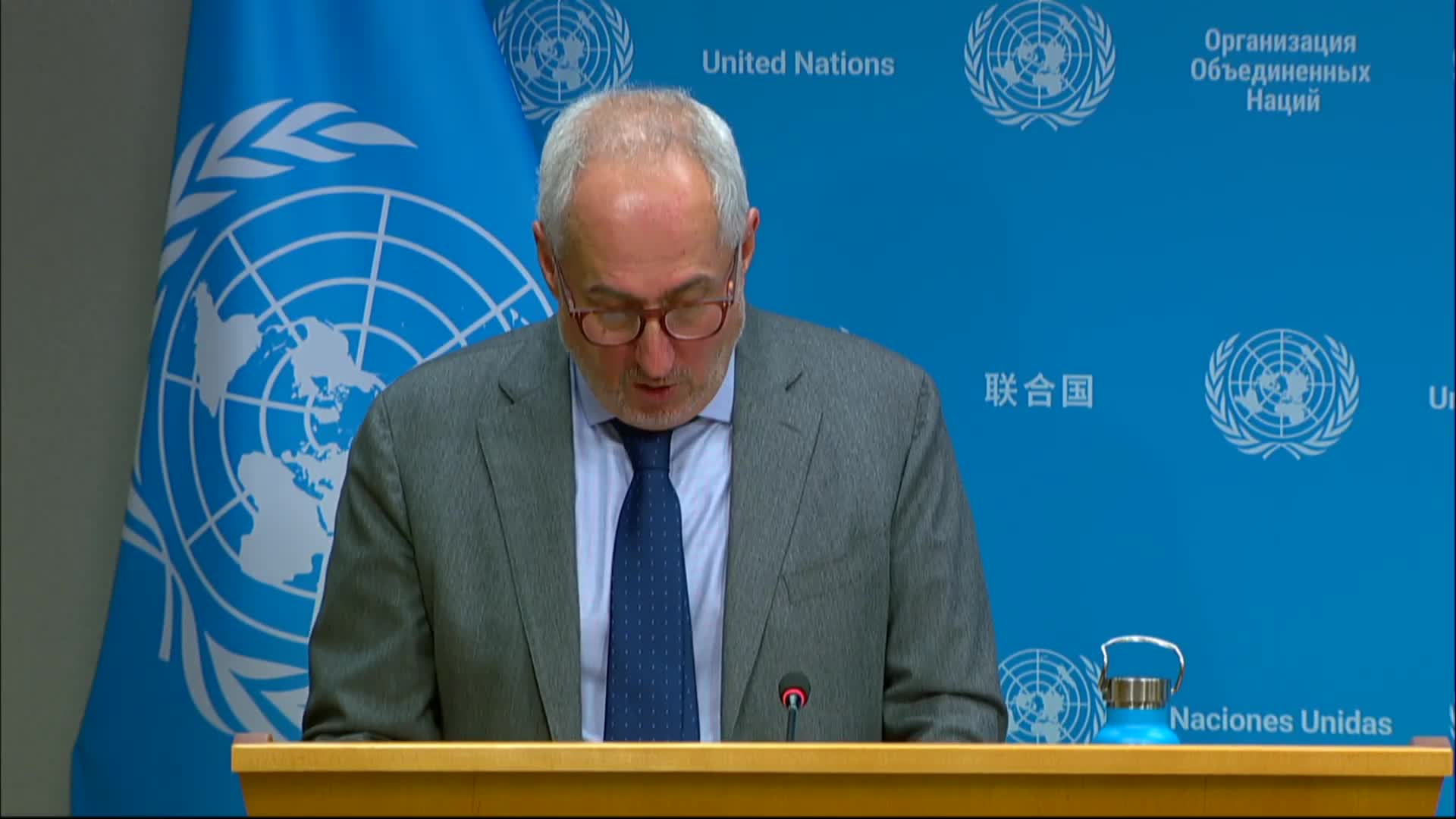
Summary
The UN said Israel will reopen the Zikim crossing to northern Gaza for humanitarian cargo but initial procedures requiring offloading and reloading on separate days will slow deliveries; a fiber‑optic outage near Erez risks an internet blackout that could hamper relief operations.
United Nations officials said the Zikim crossing between Israel and northern Gaza will be reopened for humanitarian cargo, but initial procedures requiring offloading from Israeli trucks and reloading onto Palestinian trucks on separate days will slow the flow of aid.
"We hope that cargo will be able to be screened at the crossing itself, as soon as possible," the UN spokesperson said, adding that the current arrangement creates a "funnel" that delays deliveries. Reporters asked whether the offloading requirement amounted to interference with a ceasefire commitment; the spokesperson called the process "complicated" and said the UN is actively engaging Israeli counterparts to simplify the arrangements.
The briefing also warned of a separate operational risk: a fiber‑optic cable near the Erez crossing has been out of service since Nov. 6 and repairs have been delayed. The UN said partners have been unable to access the area to fix the problem and warned that a prolonged outage could cause an internet blackout across Gaza and jeopardize humanitarian operations.
On food and shelter, the UN said partners continue to deliver hot meals and bread and have provided 66,000 cash transfers since the ceasefire, but customs clearance delays and other impediments are forcing partners to stretch stocks and adjust parcel sizes.
What happens next: The UN said it will continue pressing for simplified screening at Zikim and for access to repair telecommunications so humanitarian operations can scale up more effectively.