Lifetime Citizen Portal Access — AI Briefings, Alerts & Unlimited Follows
UN warns floods and blocked aid have worsened Gaza shelter crisis
Loading...
Summary
The UN says intense rains flooded hundreds of tents in Gaza, leaving thousands of displaced families exposed; partners distributed thousands of tents, blankets and tarpaulins but millions of shelter items remain held at crossings awaiting approval to enter Gaza.
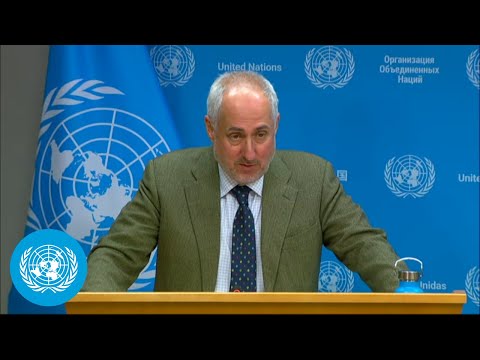
The United Nations told reporters that intense rains have flooded hundreds of tents and makeshift shelters across Gaza, leaving thousands of displaced families exposed to harsh weather and heightened health and protection risks. "We fear that thousands of displaced families are now left fully exposed to the harsh weather elements," Spokesperson Stefan Dujarric said.
UN and NGO partners have been deploying rapid response teams. Dujarric said roughly 1,000 tents were distributed in Dair al-Balah and Khan Younis in the most recent distribution, and over a recent four-day span partners provided about 7,000 blankets to more than 1,800 households, roughly 15,000 tarpaulins to more than 3,700 households, and clothing to more than 500 households.
At the same time the UN highlighted critical gaps: progress repairing sewage pumping stations has reduced some risks, but critical flood-prevention and debris-clearing equipment is not available in Gaza. "Millions of urgently needed shelter items remain stuck in Jordan, in Egypt, and Israel as well, awaiting approval to enter Gaza," Dujarric said, adding that since the ceasefire began Israeli authorities have rejected 23 requests from nine partners to bring in nearly 4,000 pallets of critical supplies including tents, ceiling and framing kits, bedding, kitchen sets and blankets.
Explosive hazards complicate shelter efforts. UN mine-action teams have recorded more than 10 injuries from explosive hazards since the ceasefire and responded to more than 70 requests for explosive-hazard assessments; risk-education sessions have reached over 49,000 people, the spokesperson said. The UN Mine Action Service warned that it could scale up operations if teams were given access to detector spare parts and disposal equipment.
The briefing emphasized two immediate needs: sustained opening of existing and additional crossings to facilitate delivery of critical items and equipment, and comprehensive facilitation for UN and NGO partners working on shelter, water and sanitation.