Get Full Government Meeting Transcripts, Videos, & Alerts Forever!
Get email alerts on the Belem Health Action Plan topic
No spam. Unsubscribe anytime.
WHO and Brazil launch Belem Health Action Plan, calling climate change a health emergency
Summary
At a joint launch, speakers framed climate change as a public‑health emergency and presented the Belem Health Action Plan — a WHO‑and‑Brazil blueprint stressing adaptation, equity and climate justice and calling for sustained, well‑financed action to strengthen health systems.
Speakers at the launch framed climate change as an immediate threat to public health and urged funding and action to strengthen health systems. "The climate crisis is a health crisis for individuals but also for health systems," said Speaker 1, summarizing the event's opening argument.
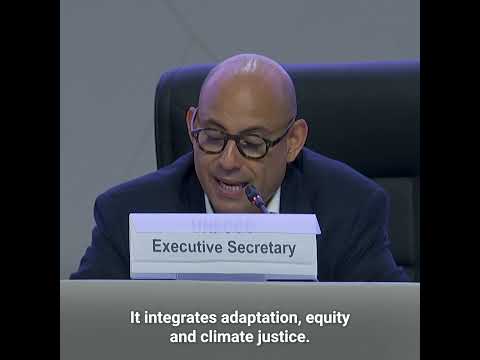
The launch, described by Speaker 2 as "a vital step forward led by the government of Brazil and the World Health Organization," introduced the Belem Health Action Plan as a coordinated framework to prepare health systems for climate impacts. Speaker 2 said the plan "integrates adaptation, equity, and climate justice, the 3 pillars of resilient societies," and called the plan a "blueprint."
Organizers emphasized that the plan requires sustained, coordinated and well‑financed implementation. "What we need now is sustained, coordinated, and well financed action to turn its promises into protection," Speaker 2 said, urging resource commitments but not specifying funding sources or amounts in the remarks recorded.
The statements at the launch focused on framing and priorities rather than operational details. The transcript records no specific funding commitments, timelines, or formal votes. Questions about who will provide financing, how resources will be allocated, and what short‑term milestones will look like were not specified in the recorded remarks.
Next steps mentioned in the launch centered on translating the plan into action through coordination between the World Health Organization and national governments; no formal adoption vote or binding legal measure was recorded in the provided transcript.