Get Full Government Meeting Transcripts, Videos, & Alerts Forever!
Get email alerts on the Leak Adjustment Policy topic
No spam. Unsubscribe anytime.
UPC unanimously backs concept to formalize water leak adjustments, sets 50% threshold and proof requirements
Summary
The Utility Policy Committee voted 7-0 to recommend a leak-adjustment policy concept to the City Commission that sets a 50% usage threshold above a 12‑month average to qualify and requires proof of repair; staff noted future automation with smart meters could streamline detection.
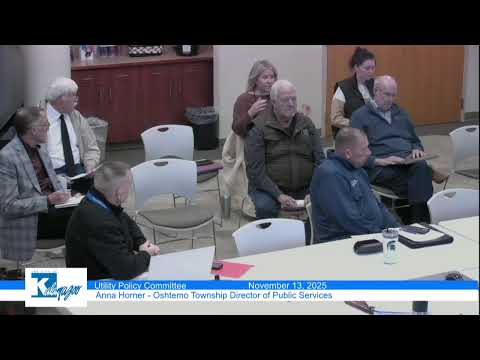
Kalamazoo City’s Utility Policy Committee on Nov. 13 voted unanimously to recommend in concept a formal leak-adjustment policy that clarifies when the city will reduce unusually high bills caused by private-side leaks.
Public Services Director James told the committee the draft policy codifies long-standing practice: adjustments apply to account holders who report leaks, verify repairs and demonstrate that usage for the billing period exceeded their 12‑month average by at least 50 percent. "The leak has to be at least 50% more than that," James said, describing the threshold staff will use to screen routine usage variation from material leaks.
Under the proposal, when a qualifying leak is documented and corrected, staff would adjust a customer’s bill toward the prior 12‑month average rather than charging the full extraordinary amount. The draft also includes steps to verify meter reads and to avoid charging wastewater where water did not leave the property (for example, leaks that never reached the sewer system).
Members pressed staff to tighten language in two related subsections (the committee identified a potential inconsistency between items labeled 5 and 6.2) so the intended 50% adjustment is clear. Staff said the committee’s recommended edits and word‑smithing would be incorporated before the item goes to the City Commission.
The policy contemplates future smart‑meter automation to flag sudden usage spikes and notify customers; staff said the current smart-meter rollout is incomplete, so the policy must apply to customers on both traditional and smart reads.
Vote and next steps: Member Weade moved and Member Crum seconded a motion to recommend the policy concept to the City Commission; the committee approved the motion 7-0. Staff will return with finalized language for the Commission packet.