Miami‑Dade parks director outlines savings measures and warns of $550 million in deferred maintenance
Loading...
Summary
Parks Director Christina White told the county committee the department has implemented tech and operational efficiencies but faces roughly $550 million in deferred maintenance after capital cuts; she asked commissioners to help prioritize projects and review district lists.
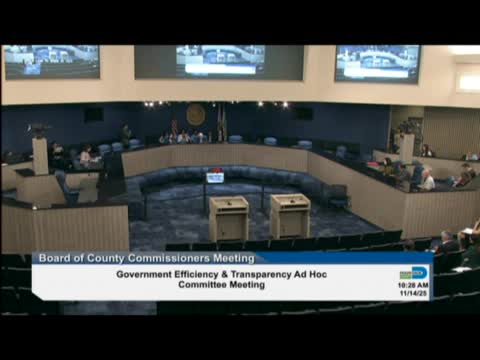
Christina White, director of Miami‑Dade County Parks, Recreation and Open Spaces (PROS), told the Efficiency & Oversight Committee that the department has adopted new technologies and internal changes that are saving money but still faces sizable deferred‑maintenance needs.
White said PROS manages roughly 308 parks, about 40,000 acres of active and environmentally sensitive land, 60 recreation centers, 22 miles of beaches and a zoo that serves about 900,000 visitors a year. "We prioritize exceptional facilities, recreational opportunities, and thoughtful stewardship," she said during an oral presentation to the committee.
Why it matters: White said the department’s overall budget is approximately $290 million, with a general‑fund subsidy near $124 million — a $13 million reduction from last year — and that the county reduced the capital SIP program by $73 million to an allocation of about $369 million. "The department has over $550 million in aging infrastructure and deferred maintenance," White said, and she asked the commission to help prioritize life‑safety, regulatory and shoreline stabilization projects.
What PROS is doing: White highlighted operational changes intended to reduce costs and improve responsiveness. She said smart irrigation technology has been installed across multiple parks, and that mobile field‑painting robots cut field striping costs by roughly 56%. Bringing turf restoration in‑house saved the department about $350,000 annually, she said. PROS also reorganized construction and maintenance into three regional hubs to reduce travel time and increase work completion rates.
White emphasized transparency and resident engagement, citing a customer‑satisfaction rate the slides listed at 89%, above a cited national benchmark of 77%, and noting that PROS earned a CAPRA reaccreditation with 100% compliance. "We actively engage residents and gather input during public meetings for all of our projects," she said.
Commissioner response and next steps: Committee members praised the presentation and pressed White on implementation details. The chair asked about a new app for golf registration; White said the department is developing an app to streamline reservations. The chair also asked whether the deferred‑maintenance list is prioritized; White said it is and that she will meet one‑on‑one with commissioners to review district active project lists and priorities.
White concluded by asking the commission for support in prioritizing deferred‑maintenance projects, updating park agreements to ensure partners pay appropriate fees, and curbing unfunded requests. She said the department will supply details to commissioners and set follow‑up meetings.
What the presentation did not resolve: White provided dollar totals and savings as presented to the committee but did not provide a detailed, itemized prioritization list during the meeting. Staff offered to supply timelines and district‑level project lists in follow up.