Mesa staff offers two BESS ordinance options; council debates 400‑ft vs. 1,000‑ft separation from homes
Loading...
Summary
Planning, building and fire staff presented zoning and fire‑code amendments for battery energy storage systems, offering a staff recommendation for a 1,000‑foot separation from residences and a PNZ‑recommended alternative at 400 feet and 5 MW accessory threshold; council raised safety concerns and asked staff to seek more data before Dec. 1.
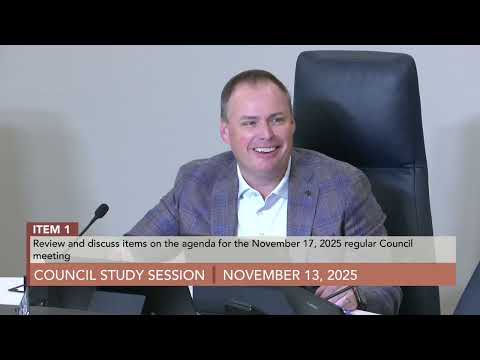
City planning, building and fire staff returned to the Mesa City Council on Nov. 13 with draft text amendments governing battery energy storage systems (BESS), presenting two alternative ordinances and seeking council direction before formal introduction on Dec. 1.
Rachel Phillips, staff lead on the amendments, said the two ordinances differ chiefly on residential separation and an accessory‑use capacity threshold. "The ordinance that staff brought forward proposed a thousand foot separation from the nearest residential use or zoning district," Phillips said, while noting the Planning & Zoning (PNZ) board recommended reducing separation to 400 feet and increasing the accessory‑use nameplate limit from the staff‑proposed 1 megawatt to 5 megawatts.
Why it matters: BESS facilities are an emerging technology that city staff and council members said is important to stabilizing the grid and attracting industry, but council members — particularly those representing districts where proposed BESS projects are planned — emphasized public‑safety and neighborhood protection.
Fire and building staff told council they had sought input from national subject‑matter organizations including Underwriters Laboratories and the Fire Service Research Institute; those external reviewers said Mesa’s draft zoning language was "in the right ballpark," but declined to specify a single standard because setbacks and mitigation depend on local conditions.
Council discussion focused on tradeoffs between industrial compatibility and residential safety. Vice Mayor Summers and Council Member Duff supported the longer 1,000‑foot separation as a cautious approach to protect homes from smoke and toxic byproducts in the event of a major BESS fire. Council Member Adams asked whether a demolition/decommissioning bond or other financial assurance would be required; staff pointed to proposed fire‑code decommissioning provisions that could include financial assurance or a bond.
Council also asked how the two key options would affect the three pending or proposed BESS sites; staff said two applicants could likely meet a 1,000‑foot separation with revised layouts, but one site might need to reduce capacity or adjust plans. Council members requested more specific information from applicants about site layouts and encouraged staff to continue outreach to industry and applicant teams prior to the Dec. 1 introduction.
Next steps: Staff will present two ordinances for introduction on Dec. 1 (the PNZ‑recommended version and staff’s version), but council indicated it might favor a third, compromise option depending on follow‑up discussions with applicants and additional technical input. The City will also proceed with proposed fire‑code amendments (including setbacks and decommissioning plan requirements) and continue outreach to the public and industry.
Ending: Council did not take a final vote at the study session; staff and public‑safety officials agreed to follow up with additional technical details and applicant meetings before the December 1 introduction.