Salem council removes police voting seat on Transportation Commission, adds advisory representation for bicycling, disabilities and schools
Loading...
Summary
The Salem City Council approved first passage of an ordinance to remove the police representative as a voting member of the Transportation Commission and add advisory roles for fire, bicycling, disabilities and school representatives, aiming to speed public input and reduce 'silos.'
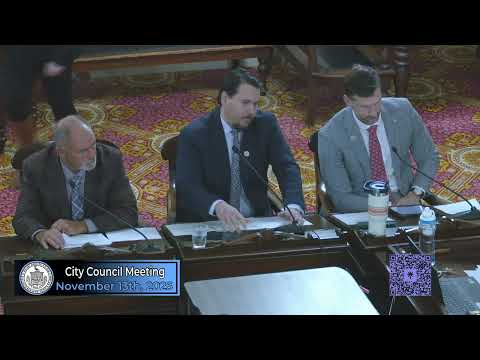
The Salem City Council voted for first passage of an ordinance on Nov. 13 to change the composition of the city’s Transportation Commission by removing the police representative as a voting member and replacing that seat with a member of the public while retaining police, fire, bicycling, disabilities and school officials in advisory roles.
Sponsor Councilor Morsello said the change is intended to “tear down the silos” and give advisory groups earlier opportunities to participate. “I think that by adding more people that are representing the bicycling community and the disabilities community…and the school's representative…we'll get more done,” he said during the Nov. 13 meeting.
Supporters said the change would make conversations more inclusive and reduce last‑minute obstacles on projects. Councilor Watzenfeld said the revision would “keep work moving forward, decision making really clear and transparent,” and called it a win for public engagement. Councilor Merkel noted neighboring communities are pursuing similar legislation and that the measure has police support in an advisory role.
The ordinance was approved for first passage without extended debate. Under the change, police and fire would serve as advisors, the bicycling and disabilities commissions would have advisory representation, and the schools would be invited to send a superintendent designee.
Councilors framed the change as procedural and reversible, with sponsors saying the commission can alter its rules later if the new structure does not work. The measure now proceeds to the next step in the ordinance process for final consideration.
What happens next: The ordinance passed first reading and will return for further consideration under the council's ordinance schedule; if adopted at second reading it will change how the Transportation Commission receives and votes on traffic and multimodal project recommendations.