Get Full Government Meeting Transcripts, Videos, & Alerts Forever!
Get email alerts on the Guardianship And Financial Planning topic
No spam. Unsubscribe anytime.
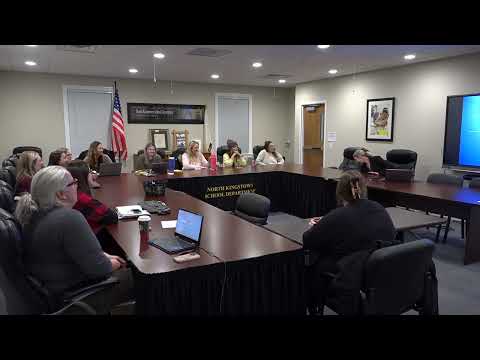
Parents advised on guardianship, special‑needs trusts and ABLE accounts at North Kingstown SELAC meeting
Summary
At a November SELAC meeting in North Kingstown, a guest presenter explained guardianship, powers of attorney, special‑needs trusts and ABLE accounts, urging parents to plan ahead to protect benefits and describing practical tradeoffs among options.
A guest presenter reviewed legal and financial steps families can take as children with disabilities approach adulthood, telling a November meeting of the North Kingstown Special Education Local Advisory Committee that “guardianships are not required for all persons, and planning ahead is very important.”
The presenter defined guardianship as a court‑supervised appointment for people who cannot make certain decisions, and said it can be limited to specific areas — health care, finances, residence, or relationships — rather than be total. She urged families to consider less‑restrictive alternatives first and explained that probate courts typically appoint a guardian ad litem and conduct a non‑adversarial hearing in most uncontested cases.
On trusts, the presenter outlined three common special‑needs trust types: third‑party trusts (assets placed by others and typically not subject to government payback), first‑party ( ‘‘payback’’ provision to Medicaid at the beneficiary’s death), and pooled or nonprofit‑run trusts. She emphasized that special‑needs trust documents usually give the trustee broad discretion over distributions so that the funds do not count as the beneficiary’s personal assets for means‑tested benefits.
ABLE accounts (Achieving a Better Life Experience) were described as a lower‑cost, tax‑advantaged savings tool for eligible beneficiaries, similar to 529 college plans and governed by IRS rules. The presenter noted the annual contribution cap cited in the meeting — “$19,000” currently, with a projected increase to $20,000 next year — and warned families that ABLE accounts may carry a Medicaid payback at death, so parents should be cautious about placing their personal assets directly into ABLE accounts.
She recommended different tools for different goals: powers of attorney and health‑care proxies for people who retain capacity and need recognized legal authority; representative payees for Social Security benefits; ABLE for smaller lump sums or targeted expenses; and third‑party special‑needs trusts to preserve long‑term inheritance without payback to the state.
During a question period, the presenter advised families to start planning roughly six months before a young person’s 18th birthday to prepare filings and court scheduling with the probate court. She agreed to share contact information and materials with attendees for follow‑up.
Next steps: the SELAC organizers and district staff said they would circulate the presenter’s contact information and links to resources to the group by email.