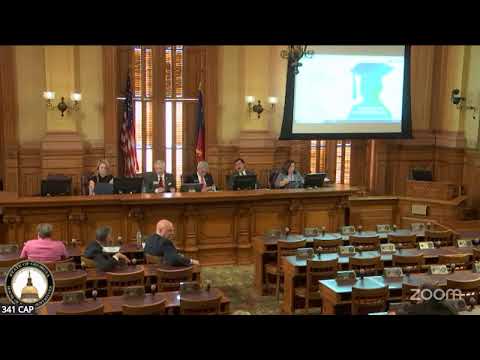
State literacy coaching networks report early gains; expansion urged to scale supports for K–3
Loading...
Summary
Let’s Read Georgia, Growing Readers and DOE CSI coaches described standardized hiring, micro‑credentials for coaches and early evidence of student gains in districts where coaches provided direct classroom support; leaders urged expansion of school‑based coaching capacity.
Regional RESA directors and Department of Education officials told the joint education committee that three coordinated coaching efforts — Let’s Read Georgia, Growing Readers and DOE CSI‑funded school coaches — are being deployed to improve K–3 literacy and to sustain teacher practice. The presenters emphasized common hiring standards, coach micro‑credentials and an emphasis on direct, classroom‑facing coaching as the most effective approach for student gains.
Richard (RESA network lead) said the Let’s Read Georgia network established a shared job description and interview rubric to hire coaches with deep literacy expertise; the network reported hiring more than 120 coaches statewide with a large proportion holding specialist degrees and reading/dyslexia endorsements. ‘‘We created a shared job description and a statewide job posting so that every candidate saw the same expectations,’’ a RESA director said.
Kathy Matthews, Growing Readers system manager, described the Growing Readers 2 cohort model: coaches serve a limited caseload so they can provide intensive, side‑by‑side coaching, professional learning and data‑informed cycles. Growing Readers reported serving 680 teachers directly, supporting 56 coaches across 79 schools and reaching roughly 13,600 students in the current two‑year cohort. Matthews cited district examples with multi‑point gains on local assessments after coaches worked with teachers and administrators to align high‑quality instructional materials with Georgia’s ELA standards.
Amy Denty and DOE literacy leads summarized the CSI (Comprehensive Support & Improvement) model, where federal funds support school‑based literacy coaches embedded in the lowest performing Title I schools. DOE data showed an average ~15% improvement on universal screener metrics in CSI schools that received coaching support; the strongest gains correlated with higher proportions of coach time spent in direct classroom coaching rather than indirect duties. ‘‘Where structured literacy was well implemented and coaches spent more time doing direct classroom work, we saw the greatest student gains,’’ Amy Denty said.
Committee members asked about scalability and capacity: Metro RESA leaders stressed many districts already have internal coaching networks and that RESAs are using a blend of full‑time, part‑time and retired educators to expand reach without depleting classroom staffing. Presenters suggested legislative options to accelerate scale, including return‑to‑work adjustments to enable retired educators to serve as coaches and dedicated state funding to create more school‑based coaching positions.
Next steps: RESAs and DOE will continue quarterly regional PLCs, expand coach micro‑credentialing and supply the committee with more longitudinal impact data as cohorts mature.