
Granite School District says Olympus High pool repairs are underway but some fixes must wait for a seasonal shutdown
Get AI-powered insights, summaries, and transcripts
Subscribe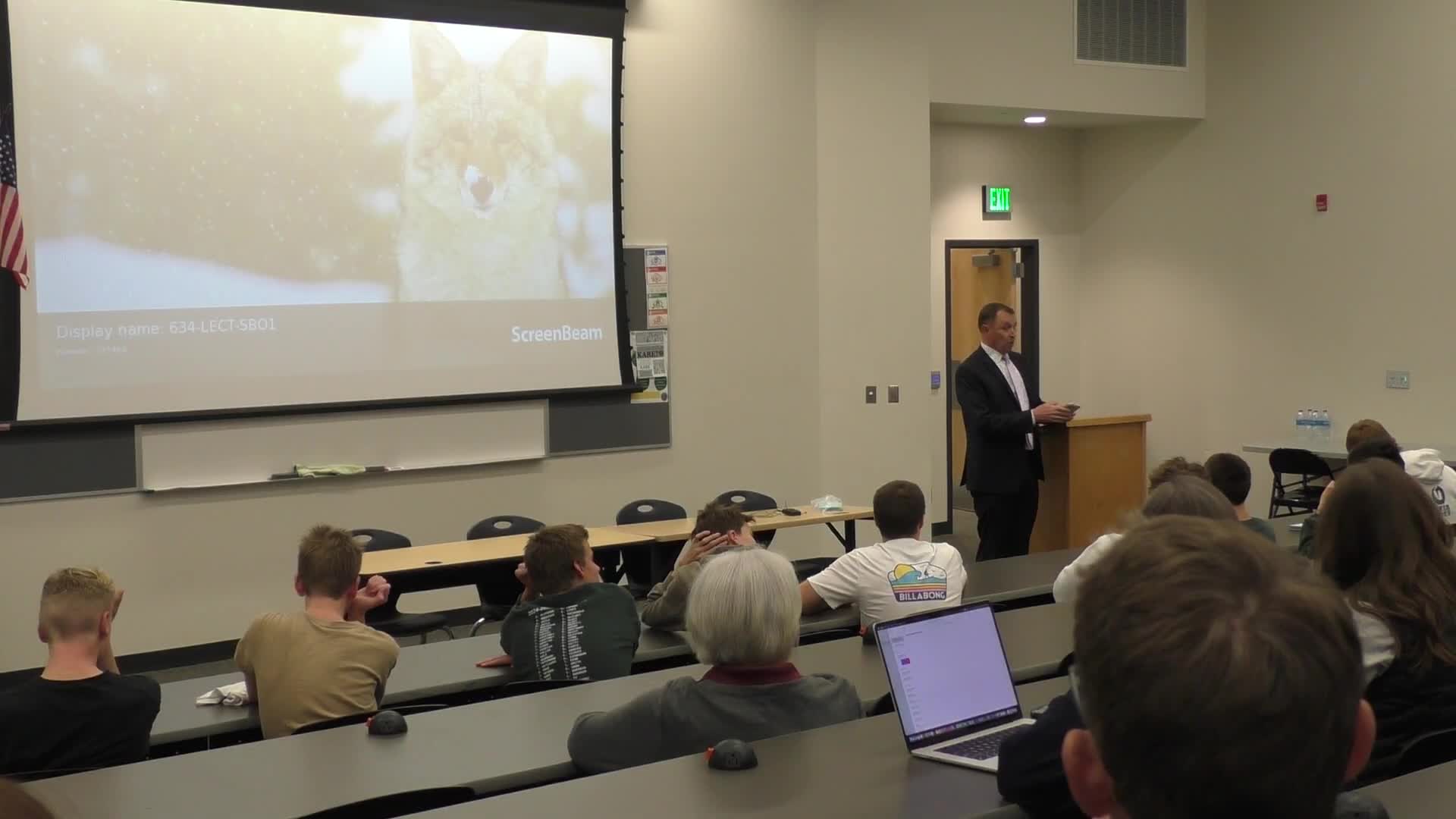
Summary
Superintendent Ben Orsley told a community town hall that the district has work orders for Olympus High’s pool (boiler and showers) and that a needed boiler part is due next Tuesday; heavier repairs that require lowering the pool will likely wait for a seasonal break while custodial coverage and fee structures are reevaluated.
Superintendent Ben Orsley said the Granite School District has opened work orders and is moving to fix multiple issues at the Olympus High School natatorium but some repairs will have to wait until a seasonal break to avoid disrupting heavy community use. "There is a work order on the cold showers," Orsley said, and he added the boiler part that has delayed heating repairs is on order and expected "next Tuesday."
The pool is one of the district’s highest‑use aquatic facilities, brought to the meeting by parents and Omega Aquatics representatives who said the club runs practices six days a week and regularly hosts multi‑team meets. "Last weekend, we hosted five teams from all over the Wasatch Front," Stephanie Lochner, representing Omega Aquatics parents, said during public comment.
Orsley said the district already provides additional custodial resources to Olympus because of that high utilization, and staff reviewed custodial supervision after state health‑department concerns prompted recent scrutiny. He said some fixes — especially those that require lowering or draining water levels — will be deferred until a gap in the season so they do not disrupt scheduled competitions. "We usually find a break in the season to be able to take care of those repairs," he said.
On funding, Orsley said routine maintenance for all district facilities is about $20,000,000 and that district leaders recently sought a modest increase to $21,000,000 through truth‑in‑taxation; that request was denied, he said. He also told the meeting the district carries roughly "$1,000,000,000 of deferred maintenance," a figure he said the district uses to prioritize projects after a 2017 facility condition assessment.
Orsley described how rental revenue is accounted for: some fees are routed to a rental fund to offset administrative and custodial costs for community use. He cited a state "community center" statute that requires the district to make facilities available for public use at low cost when it is safe and feasible. "We're trying to not make money off these projects, but at the same time, make it reasonable for our facilities to be used," he said.
Parents pressed for clearer timelines and points of contact; Orsley said the school principal (Principal Christiansen) is the first line for work‑order updates, but he also offered his cell phone and agreed to follow up. He urged parents to file records requests if they want detailed accounting of rental revenue or work‑order histories.
Next steps: the district expects to install the boiler part when it arrives, continue the custodial supervision changes, and schedule multi‑day repairs during a seasonal break. Parents were told to contact the principal or Orsley directly for timelines and that the district will continue reviewing fee structures and booster‑support options to help balance community access with facility upkeep.