County updates water‑system projects and authorizes feasibility work for 9‑1‑1 center and animal shelter site
Loading...
Summary
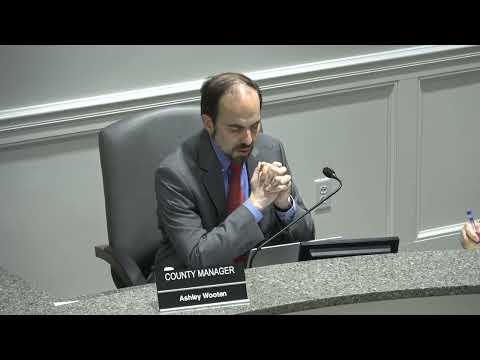
County staff briefed the board on multiple water projects — East End, NEBO phases and asset mapping — noted customer growth from about 400 toward 550–600, and the board authorized staff to study Spalding Road as a potential site for a combined 9‑1‑1 center and animal shelter using CDBG disaster‑recovery funding.
County staff provided a detailed update on water‑system construction and on long‑range facility planning, and the board authorized staff to continue feasibility work for a proposed Spalding Road site for a new 9‑1‑1 center and animal shelter.
On water projects, staff described the East End project near Marion Lake Club as roughly three months underway and scheduled for completion in April. Staff said NEBO phases 2a and 2b are under construction and approaching completion. Mapping and an asset‑inventory assessment are under way to locate valves, hydrants and other infrastructure; staff said the system currently serves "over 400" customers and could expand to 550–600 when active projects conclude. For projects still in environmental review, staff said bids and federal/state steps will determine timelines and that some work cannot proceed until environmental reviews are finished.
On facilities, staff said building a consolidated human‑services/DSS building would likely cost many multiples of millions and recommended exploring alternatives, including repurposing surplus school property if it becomes available. Staff said the county's 9‑1‑1 operations are cramped and that the existing animal shelter (opened in 1980) is outdated; both were taxed during the Helene disaster, which created an opportunity to seek CDBG disaster‑recovery funding for community infrastructure.
Commissioner (speaker 3) moved that staff be allowed to continue pursuing grant opportunities and feasibility work for the site identified on Spalding Road to determine whether a colocated 9‑1‑1 center and animal shelter would be feasible under CDBG disaster‑recovery eligibility. The board seconded the motion and approved it on a voice vote of "Aye." Staff said architects and engineers will do preliminary checks but that no county funds or commitments for architects or engineers were being requested at this time.
Staff said next steps include targeted environmental reviews, grant application work and follow‑up reports back to the board on feasibility and funding options.