
Consultant warns of widespread workmanship problems in courthouse renovation; ramp at risk of failure
Get AI-powered insights, summaries, and transcripts
Sign Up Free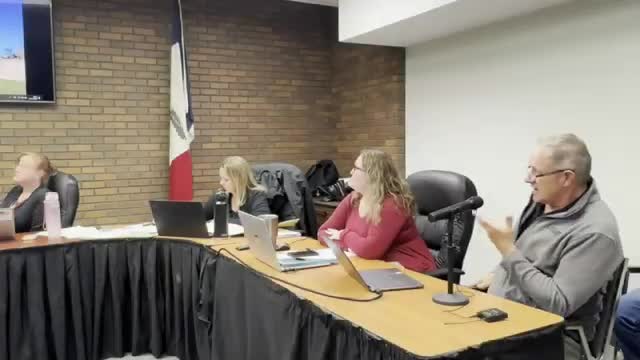
Summary
A restoration consultant told the Madison County board that multiple recent renovation elements — notably the limestone entry ramp, windows and roof details — show poor workmanship that could cause rapid deterioration, and the board said it will prioritize repairs and planning.
A restoration consultant told the Madison County Board on Tuesday that multiple elements of the recent courthouse renovation show substandard workmanship and could cause structural decline if not corrected.
Mark, a restoration consultant who said he and an engineer were retained to review the work, described shallow saw cuts in new concrete sidewalks, mismatched tuckpointing, poorly detailed sealant joints and windows that may be heavier than manufacturer specifications allow. "This is poor workmanship you paid for here," he said, pointing to photographs he took from the roof.
The board pressed for priorities after the presentation. The consultant identified the courthouse ramp as the most urgent problem, saying limestone units sit in a pocket that wicks water and produces efflorescence; he predicted the ramp "will fracture and the stones will be destroyed" over a matter of years if left as is. A board member noted there is a surety bond on the ramp and asked whether it would cover replacement.
Why it matters: the issues affect the courthouse envelope and could accelerate damage to historic materials. Repair or replacement of masonry, proper sealant detailing and correctly specified windows would be required to protect the building and avoid repeated short-term repairs.
The consultant cited specific technical concerns: saw cuts that are too shallow (he referenced quarter-inch cuts and engineering language calling for cutting a substantive fraction of the slab), missing expansion/soft joints above flashing, improperly primed or applied sealant joints, and window sashes that may exceed typical manufacturer operating limits (the consultant said manufacturers design for operability up to about 100 pounds while some sashes may weigh roughly 200 pounds per his engineer’s calculation).
Board discussion focused on establishing priorities and incorporating repair work into a broader master plan. "This is a facility that we want, a historic building that we wanna care for, and we want it to be here for generations," one board member said, adding that the board will need to prioritize initiatives and work with staff to address them. The board thanked the consultant for his photo-captioned report and the engineer’s findings and said staff will follow up on punch-list items already underway.
No formal motions or votes were recorded during the presentation. The consultant said the remainder of his findings are contained in his written report and offered to answer additional questions; board members asked staff to include these issues in planning and prioritization rather than proceed immediately with demolition or wholesale replacement.
Next steps: staff will review the consultant and engineer reports, evaluate bond coverage and incorporate prioritized repairs into the courthouse master plan and punch-list follow-up.