Get Full Government Meeting Transcripts, Videos, & Alerts Forever!
Get email alerts on the Beach Economics topic
No spam. Unsubscribe anytime.
Consultants say Carmel Beach draws about 1.15M trips a year and is worth ~$36.8M annually in recreational value; residents favor nature‑based adaptation
Summary
A socioeconomic report combining a resident survey and anonymized cell‑phone data found roughly 1,150,000 beach trips in 2024 (~701,000 visitors) and estimated a non‑market recreational value of about $32 per visit (~$36.8M/year). Survey respondents (skewed to residents) showed a preference for nature‑based adaptation and near‑term, research‑informed action.
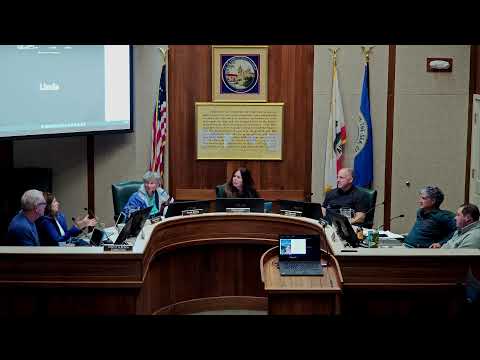
Consultants working for the City of Carmel‑by‑the‑Sea presented a socioeconomic analysis on Nov. 13 that combines a public survey and aggregated cell‑phone data to inform coastal adaptation planning.
Anastasia (project planning lead) said the survey (364 responses; 307 fully completed responses used in analysis) targeted local organizations, radio and print outreach, and postcards to capture resident preferences. Integral Consulting’s environmental economist Sydney Harvey summarized the results: passive activities — walking scenic, walking the beach and dune areas — ranked highest among respondents. The analysis showed residents tended to use the southern beach areas more while visitors concentrated nearer Del Mar and the Del Mar parking lot.
The consultant team also purchased aggregated Placer AI cell‑phone data to estimate visitation patterns. Sydney said the team estimated approximately 1,150,000 trips to Carmel Beach in 2024, representing roughly 701,000 unique visitors; 80% of those visitors made a single trip in the year per the cell‑phone record analysis. Using a travel‑cost, non‑market valuation they calculated an estimated recreational value of around $32 per beach trip, producing an annual recreational value estimate of about $36.8 million.
Consultants and commissioners discussed sampling caveats: the survey skewed heavily toward local residents (about 87% of survey respondents identified as local), and the cell‑phone data captures only U.S.‑registered devices and may undercount swimmers/surfers who leave phones in cars. Consultants recommended additional intercept surveys at the beach on busy weekends to capture visitors who do not respond to the online survey and said further monitoring will be important to refine adaptation priorities.
Commissioners and staff took away three policy implications: (1) residents place high value on passive access and beach width; (2) there is public interest in nature‑based solutions (dune restoration, sand management) provided there is education on those approaches; and (3) the visitation and valuation data can inform financing choices, including potential visitor‑funding mechanisms (the consultants illustrated that a modest per‑visitor fee could generate funds to support beach management). Consultants said next steps include development of adaptation pathways and policy options to bring back in the new year for commissioner and Planning Commission review.