Get Full Government Meeting Transcripts, Videos, & Alerts Forever!
Get email alerts on the Tenant Complaints topic
No spam. Unsubscribe anytime.
Tenants accuse Port Property of poor maintenance at Spar Inc. properties; board hears motion to deny application over bed‑bug costs
Summary
At a public hearing on two Spar Inc. properties (72 Park Ave and 157 Grant St), tenants described recurring maintenance problems and pest outbreaks. Board member Matt Walker moved to deny the application citing outlier pest-control and turnover costs; debate continued and no final vote appears in the transcript.
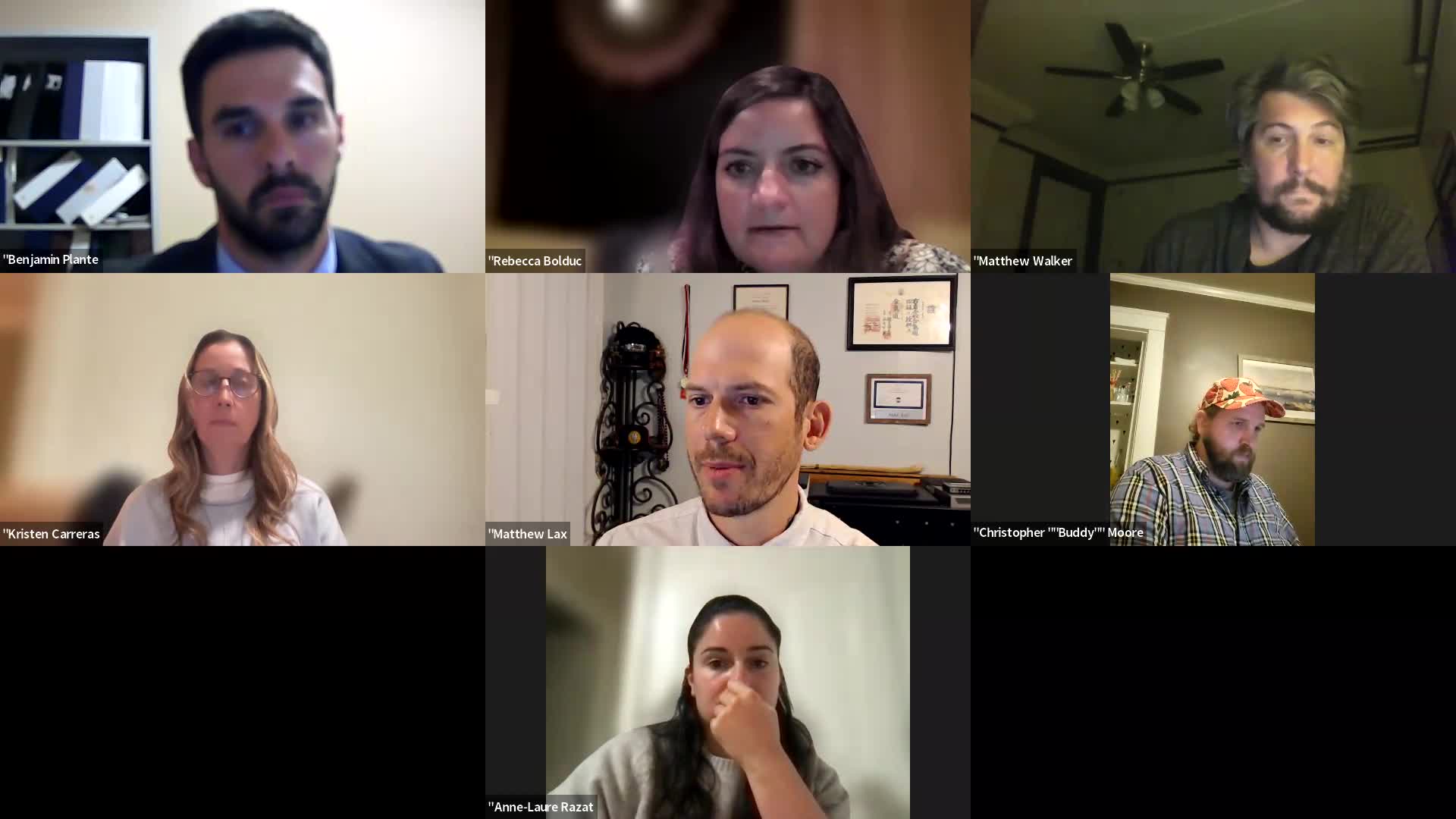
At its Oct. 8 special meeting, the Portland Rent Board opened public hearings on two applications filed by Spar Inc. (Port Property) for 72 Park Ave. and 157 Grant St., where multiple tenants reported recurring maintenance problems and severe pest infestations.
Emily Landrum, who identified herself as a resident of 157 Grant, told the board she filed written comment and accused Port Property of exerting outsized market power in Portland: “Port Property has a monopoly of the rental properties in this city, and this is a shameless cash grab,” she said. Several other tenants from 72 Park Ave. described long‑running issues including pest infestation, unreliable hot water, frequent electrical breaker trips and grounds disrepair.
Port Property representative Ben Bergeron disputed the monopoly characterization and provided context for the filings: he said the company manages about 2,000 units in a city with roughly 16,000 units, corrected an earlier factual point about acquisition dates and urged the board not to treat the hearing as a venue for rewriting filed financials. “The authority of the board is to hear, review, and approve or deny landlord applications,” Bergeron said, adding that appeals remain available if the board rejects an application on ledger detail.
Board members pressed tenants and the applicant on specific health‑and‑safety complaints: Ian Cowell, a 72 Park Ave. tenant, described pest issues and broken fences that persisted and said management’s responses were inadequate. Tori Shoemaker, another Park Ave. resident, described repeated failures of a shared washer/dryer and spotty hot water.
Following public comment, Board member Matt Walker moved to deny the Spar Inc. application for both properties, citing double bed‑bug outbreaks in 2022 that drove up pest‑control and turnover expenses and created ‘‘one‑time’’ spikes the board should not pass through in perpetuity. Walker said the infestations produced outsized cleanup and turnover costs and asked the board to reject the filing. The motion was seconded; deliberations continued in the transcript and a final vote was not recorded in the provided portion of the meeting.
Board counsel and several members discussed the scope of the board’s authority under the old ordinance and whether safety or evidence of poor maintenance could justify a reduction or denial rather than a straight approve/deny choice. Counsel reminded members of past board decisions that treated housing‑service costs as those services contemplated in a rental agreement and said the board had in prior cases excluded “outlier” expenses.
What’s next: At the close of the available transcript the board was still debating Walker’s motion to deny; the record does not show a final outcome. Tenants were advised to file work orders and contact management directly about outstanding safety issues; the applicant encouraged tenants to raise safety concerns and said it does not evict tenants for filing maintenance requests.