
Lawmakers hear broad testimony on proposed limits to student phone use; experts warn of harms to learning and safety
Get AI-powered insights, summaries, and transcripts
Subscribe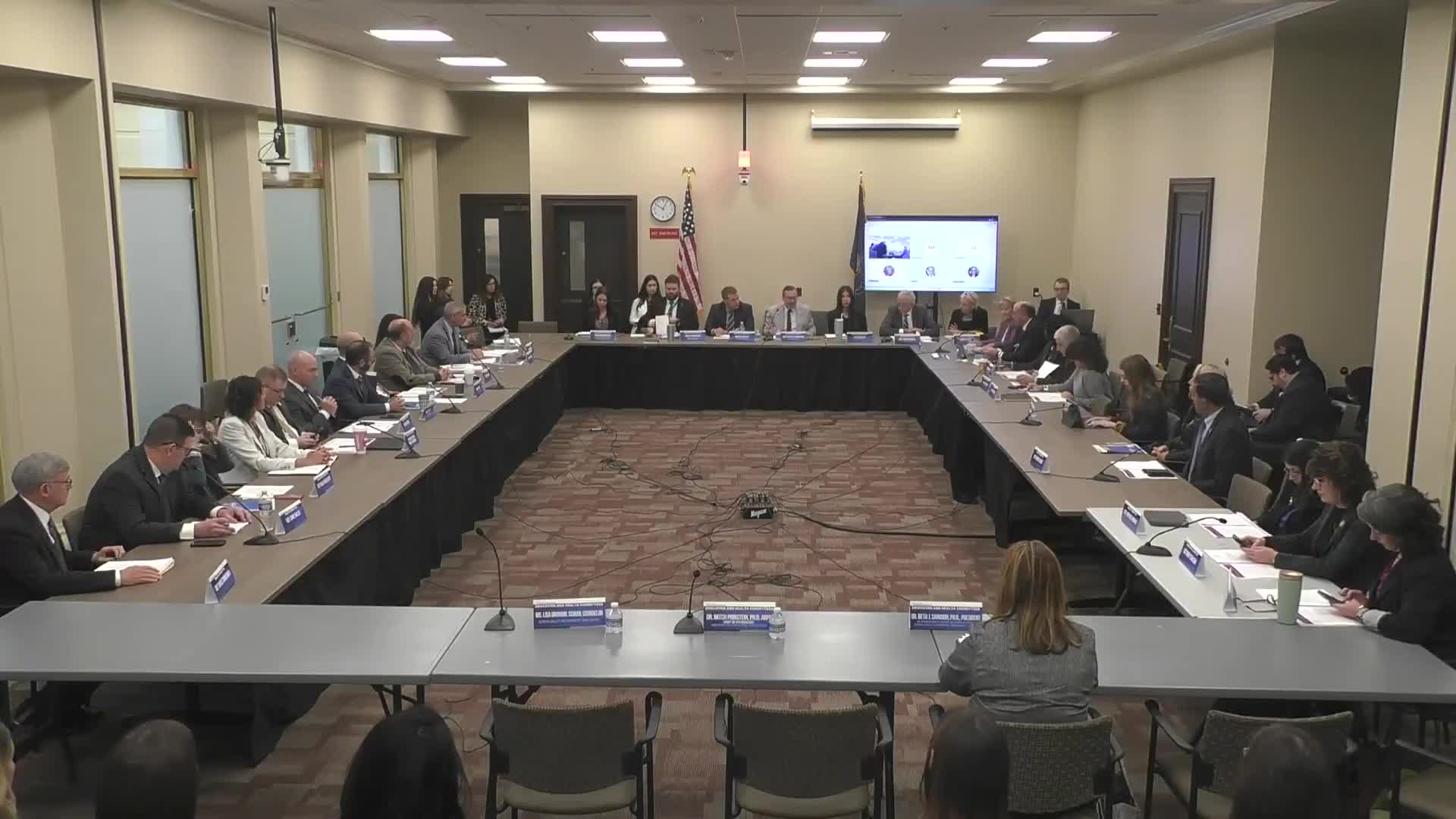
Summary
At a joint House Education and Health committee hearing, psychologists, school resource officers, teachers and school leaders presented evidence that personal smart devices distract students, correlate with poorer academic and mental-health outcomes, and can complicate emergency response; witnesses urged a statewide framework that preserves local flexibility and targeted exceptions.
At a joint informational hearing of the Pennsylvania House Education and Health committees, lawmakers heard two panels of educators, psychologists, law-enforcement officers and school leaders testify about proposals to limit students' use of personal smart devices during the school day.
Committee members and witnesses framed the issue as a balance between classroom focus, student safety and parental access. Chair Schweier opened the session noting that the Commonwealth's roughly 500 school districts are diverse and that the hearing was intended for conversation, not a reading of submitted testimony.
Psychologists and school leaders told the committees that research and local experience point to consistent harms from unrestricted device use in school. Dr. Mitch Prinstein of the American Psychological Association said device features and platform design are changing how young people engage with information and each other, and cited research linking device access with decreased attention and lower academic achievement. ‘‘The use of children's data should be illegal,’’ Prinstein said, arguing that platforms’ design and data practices make device access during instructional time particularly risky and urging more funding for research and data access.
School resource officers described operational problems devices can create during incidents. Dr. Beth Sanborn, president of the Pennsylvania Association of School Resource Officers, told the committee that phones "pull away" students from supervision, can spread fights and coordinated disruptions quickly across student networks, and undermine emergency response protocols. ‘‘Bell to Bell phone free policies aren't about punishment. They're about protection,’’ she said.
Educators described classroom results from local policies. Lisa Graham, a counselor at Seneca Valley Intermediate High School, said her district's ‘‘bell-to-bell’’ no-phone policy produced more face-to-face interaction, improved work quality and a sharp decline in reported cyberbullying: "For the first time in years, cell phones aren't competing with academics," she said. Matthew Davis, an AP psychology teacher at Penn Manor, described a classroom practice in which students place phones in a hanging pocket for the duration of class and said student focus and collaboration improved.
Teacher representatives and school-board officials urged a state framework that preserves local control. Jeff Nye, vice president of the Pennsylvania State Education Association, said many teachers do not want to be "phone police’’ and supported a statutory foundation that would prohibit device use during the school day while leaving enforcement details to districts. Laura Morton of the Pennsylvania School Boards Association told lawmakers that roughly 425 of the state's 500 districts have some electronic-device policy and that any legislation should provide clear expectations without micromanaging local boards.
Legislators raised recurring operational questions: how parents would reach children in emergencies, how joint-custody communications would be handled, whether school-issued devices or smartwatches are acceptable workarounds, the cost and liability of lockboxes, and how exceptions for medical needs and IEPs would apply. Representative Barb Gleim said House Bill 1238 (as introduced) would limit cell phone use during instructional time while preserving exceptions for health needs, first responders and teacher discretion.
There was no vote or formal action at the hearing. Chairs and members said staff will continue to work with stakeholders to craft statutory "guardrails" and requested additional information comparing outcomes from other states that have adopted complete or partial bans. The committees received additional written testimony from organizations including Teach Plus and the Department of Education, and the hearing was adjourned.
The next procedural step, as stated in the hearing, is continued drafting and stakeholder engagement; lawmakers did not set a date for further committee action.