
Tri City Airport official urges regional cooperation as new routes arrive
Get AI-powered insights, summaries, and transcripts
Subscribe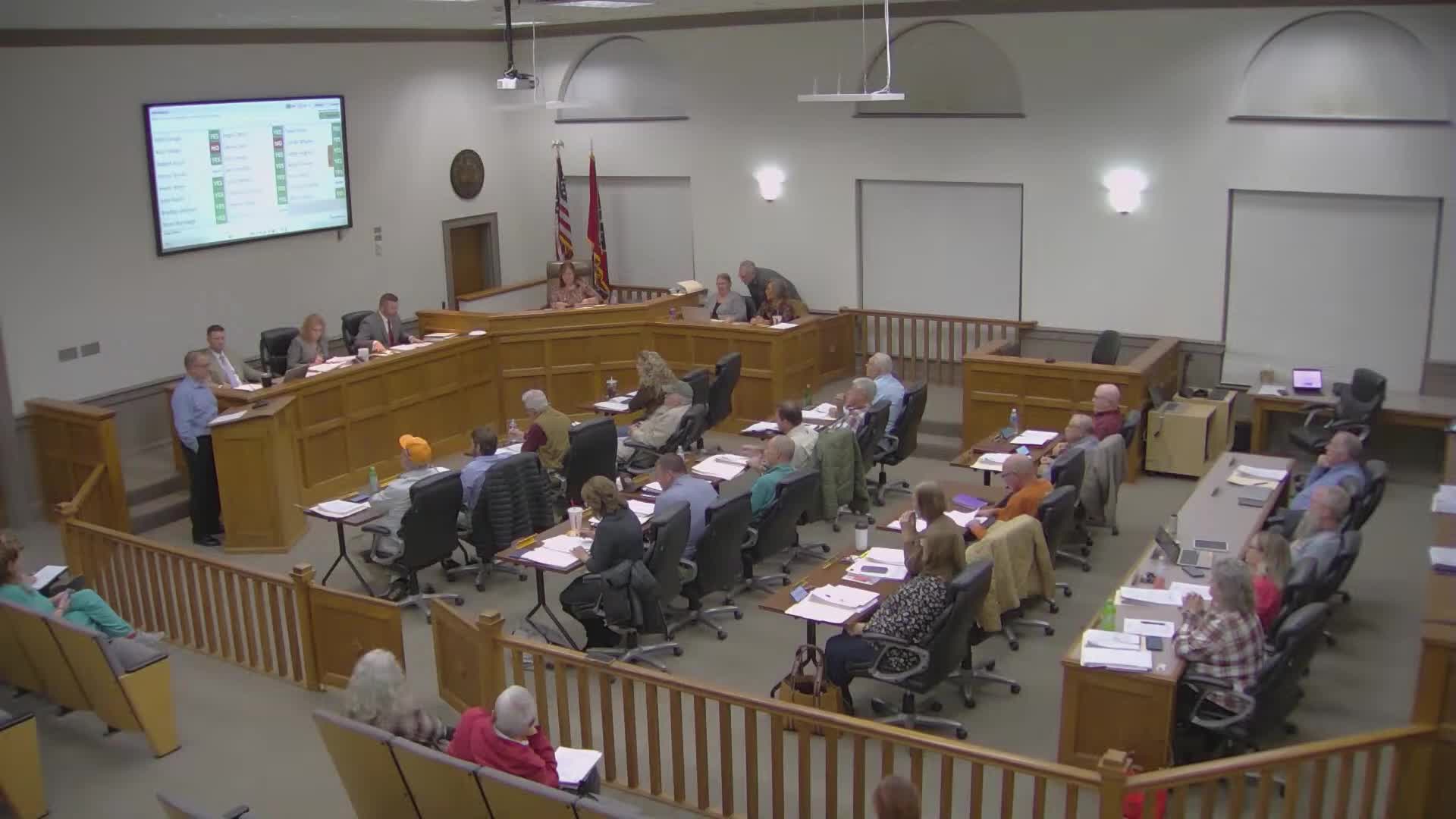
Summary
Gene Cassey, president and CEO of the Tri City Airport Authority, told Carter County commissioners Nov. 17 the authority is pursuing industrial development, general aviation improvements and expanded airline service — including recent additions to Dallas–Fort Worth and Breeze Airways flights to Orlando and Dulles — and said a federal grant is funding incentives for potential Chicago service.
Gene Cassey, president and CEO of the Tri City Airport Authority, told Carter County commissioners on Nov. 17 that the airport is pushing three priorities — industrial/aerospace development, general aviation growth and more scheduled airline seats — to expand economic opportunity in the region.
"Since I've been here, we've really been focused on our three core missions," Cassey said, describing efforts to finish an Aerospace Park, grow general aviation facilities and increase airline service. He noted the authority recently added Dallas–Fort Worth service and secured twice-weekly Breeze Airways flights to Orlando and Dulles.
The authority also won a Small Community Air Service Development Program grant, Cassey said, providing roughly $1.4 million including local match to help attract a daily Chicago route. "We got a little under a million and a half dollars to help provide incentives to a Chicago route," he said, explaining incentives are used to make new service commercially viable while airlines evaluate demand.
Commissioners asked about outreach to other carriers. Cassey said airport leaders regularly meet with carriers and track shifting business models, noting Southwest has historically avoided markets with fewer than one million people but is reconsidering smaller communities. He explained the airport can present its case but cannot force airlines to add service.
On infrastructure, Cassey described plans to take over fixed-base-operator functions to better manage general-aviation growth and said airport property is being developed to host aviation-related industrial tenants that can bring jobs. He said decisions about larger aircraft depend on whether the market can fill seats; the authority prioritizes aircraft with roughly 75–120 seats for consistent service.
Why it matters: expanded air service can improve business travel, tourism and regional connectivity and is often a factor in recruiting employers. Cassey urged local officials and residents to choose the Tri Cities airport when possible to strengthen market demand and attract more flights.
Next steps: Cassey invited commissioners to contact him with questions and said airport staff will continue regional outreach and work with the cities and counties that jointly govern the authority.