Get Full Government Meeting Transcripts, Videos, & Alerts Forever!
Get email alerts on the Opioid Task Force topic
No spam. Unsubscribe anytime.
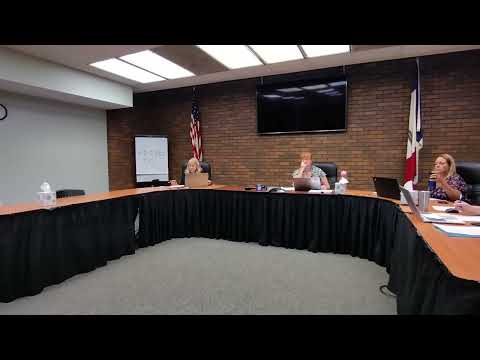
Madison County supervisors weigh expanding opioid task force and clarify oversight role
Summary
Supervisors discussed expanding the county opioid task force from five to seven members to add DHS and a school court liaison and stressed the panel remains advisory to the Board of Supervisors. The board asked staff to submit recommended names for the supervisors to approve.
Unidentified Speaker 1 opened a discussion of the county opioid task force on the board’s agenda, saying the group was created to provide advice and that the board must retain final authority. Unidentified Speaker 2, who participates in task-force operations, told the board the panel currently meets monthly and recommended adding two seats — a DHS representative and a court liaison for the schools — and increasing membership from five to seven to ensure sufficient expertise and continuity. "We meet once a month," Unidentified Speaker 2 said, describing outreach to schools and counselors that has led to strong program participation.
Joanne Collins, speaking during public comment earlier in the meeting, had criticized recent meeting procedure and called for transparency, an issue that supervisors acknowledged but did not tie to the task-force recommendation. Unidentified Speaker 1 emphasized that "the task force is advisory" and "is not an entity of and of itself," saying supervisors must approve members and that the board would not allow the group to make binding decisions on its own. Board members expressed support for recruiting school-based and healthcare professionals and for leaving public-at-large slots open to preserve flexibility.
Board members agreed in principle to expand the task force and asked staff to collect applications and recommended names. Unidentified Speaker 1 said the board would follow the two-step process used in February: (1) decide which positions to add and (2) nominate and approve specific individuals at a future meeting. No final appointment was made at the special session; the board directed staff to present nominations to be included in the next court packet for formal action.
The conversation also covered program oversight and reporting: task-force members said they will share monitoring and evaluation materials with state partners and the board, and supervisors asked that reporting clarify confidentiality protections for students and compliance with grant terms. The panel’s current role administering Turning Point-related funds and providing oversight was described as the reason it needs both field expertise and formal oversight by the supervisors. The board did not adopt any changes to the task-force charter at the meeting; it instructed staff to prepare a proposed resolution changing membership numbers and to bring candidate names back for approval.