Petoskey manager presents proposed 2026 budget as council schedules Dec. 1 public hearing
Loading...
Summary
City Manager Horn presented a $39.01 million proposed 2026 operating and capital budget, noting a drop from 2025 largely because major grant revenues will not recur; council set a Dec. 1 public hearing and discussed FEMA reimbursements, pension payments and capital changes including proposed marina dredging.
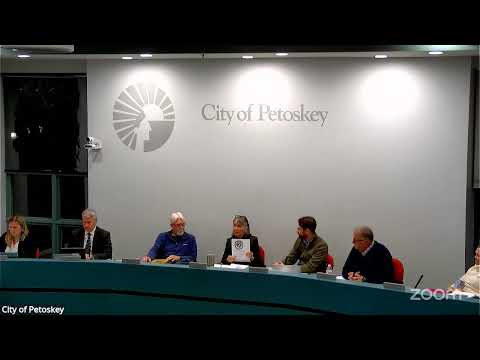
City Manager Horn presented the first reading of Petoskey’s proposed 2026 operating and capital budget at the Nov. 17 City Council meeting, and council voted to schedule a public hearing and second reading for Dec. 1.
Horn told the council the 2026 budget totals about $39.01 million, down from roughly $40.44 million in 2025 largely because several large grants that boosted 2025 revenues — including a Maple Block Flats grant and slope restoration and CHILL program grants — are not expected to recur at the same level. Horn said the CHILL grant was extended into spring 2026 and is about three‑quarters expended.
The manager outlined priorities reflected in the proposal — parks and public spaces, infrastructure preservation, downtown development, affordable workforce housing and community engagement — and described several capital adjustments. Staff recommended shifting funds from a planned Marina Pier B electrical upgrade into a marina dredging project and pursuing a land‑and‑water grant to pair with that work. Horn also proposed raising the public‑art appropriation to $90,000 to carry forward unfinished work from 2025.
Horn estimated storm cleanup from the March event at just under $1.0 million for debris removal and roughly $1.168 million total when emergency protective measures are included. He said the city expects FEMA to reimburse eligible costs at the federal 75% rate for category‑A expenses and that a portion of category‑B reimbursement remains uncertain. Staff told council that those reimbursements are not included in the 2026 revenue estimates and would flow into fund balance if received.
On personnel, the proposal includes a 3% cost‑of‑living adjustment for nonunion staff and maintains the city’s three health‑plan options under state premium caps; Horn said the city negotiated a 9.9% premium increase with the Priority Health plan for 2026 after switching from Blue Cross. Horn also noted a director’s concern about the need for an additional public‑safety officer as housing units come online, but said that position was not included in the proposed budget because of tight staffing dollars.
Council and staff discussed retirement funding. Horn proposed an above‑and‑beyond MERS payment of $400,000 in 2026 to reduce unfunded accrued liability; council members asked about recent payment history and actuarial assumptions.
On taxes, Horn said estimated taxable value is projected to rise roughly 5% for 2026 and that the proposed millage will be rolled back under state Headlee/Headley rules from about 12.809 mills to roughly 12.512 mills. Horn emphasized the budget remains a proposal and invited council members to schedule one‑on‑one meetings with finance staff to drill into departmental details.
The council voted 5‑0 to place the required public hearing on Dec. 1 and directed staff to return with the second reading and adoption materials at that meeting. Horn urged members to provide feedback before the hearing so staff can incorporate changes.
What’s next: A public hearing and second reading are set for Dec. 1, when council may adopt the budget or amend it before final action.