
Appeals court hears family‑law challenge to support and asset division; bench asks for specifics
Get AI-powered insights, summaries, and transcripts
Subscribe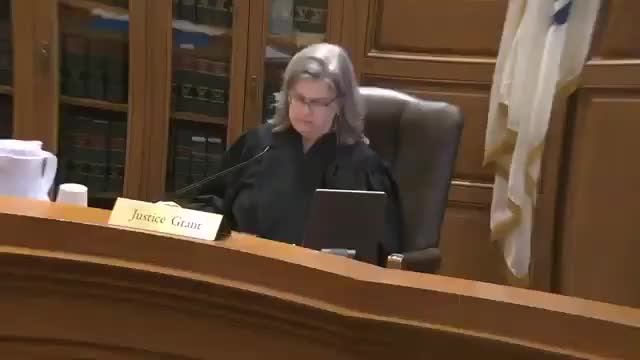
Summary
Appellate counsel argued trial judge abused discretion by denying retroactive child support and by treating a short marriage as a longer economic partnership; the panel probed timing of filings, litigation history and whether custodial contributions warrant different asset allocation.
Boston — The court heard argument in Stanley P. Jones v. Andrea Ridley, a family‑law appeal centered on two issues: whether the trial judge abused discretion by refusing retroactive child support and whether the division of marital assets was improper.
Michael Traft, counsel for Andrea Ridley, argued that the trial judge erroneously declined retroactive support despite what Traft described as delays and switches in counsel that affected the record. He also urged that the judge failed to consider the mother’s custodial contributions and financial inputs when dividing assets for a marriage that was short in cohabitation but protracted in litigation.
The panel repeatedly probed the factual bases for a reversal, asking whether findings below were clearly erroneous and seeking legal authorities tying custody considerations to asset division for short marriages. Justices emphasized that the trial judge made factual findings about commingling, tax filings and loan repayment and that appellate reversal requires showing a clear abuse of discretion.
The case was submitted and the panel took it under advisement.