
Study finds no monetary return on paving Crow Wing County’s gravel roads; commissioners discuss dust control
Get AI-powered insights, summaries, and transcripts
Subscribe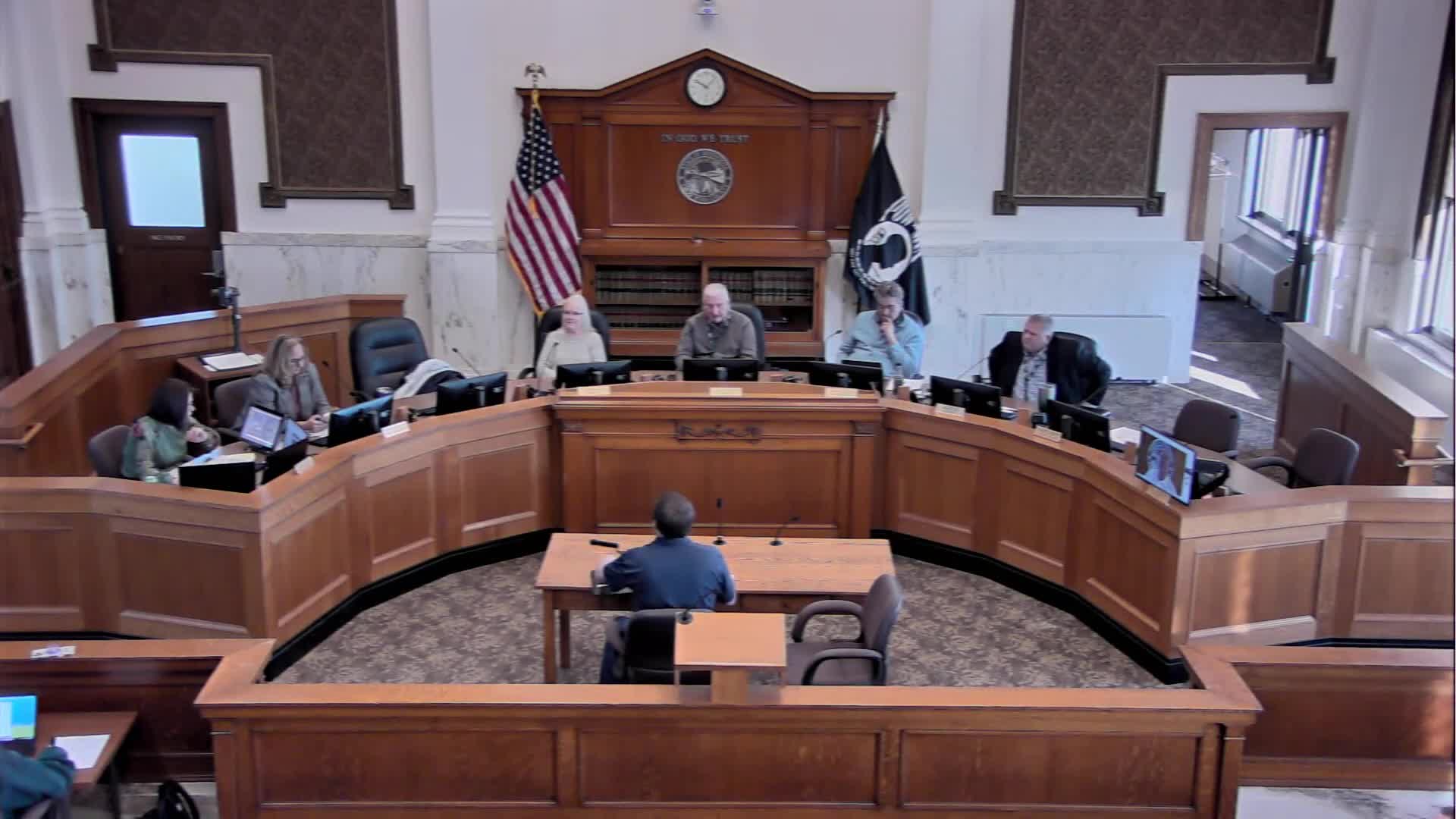
Summary
An engineering study of 42 miles of county gravel roads found none of the 15 segments reached a benefit‑cost ratio above 1.0; staff recommended prioritization be considered in the long‑range transportation plan and discussed a proposed dust‑control contract paid in some districts by local option sales tax.
Jordan Larson, a county staffer, presented the county’s unpaved roads study on Nov. 18, describing field tests, geotechnical work and a benefit‑cost analysis to evaluate whether paving segments of the county’s 42 miles of gravel roads would be financially viable.
Larson said the county engaged SEH (Short Elliott Hendrickson) to perform field condition assessments, falling weight deflectometer testing and 32 soil borings across 15 road segments. The consultant used traffic history and a conservative 4% growth factor in forecasts to estimate future use and included vehicle operating cost and travel‑time savings in a benefit‑cost model.
“The study shows that there’s really no monetary return on investment to pave any of these roads,” Larson said. Under the study’s assumptions none of the road segments achieved a benefit‑cost ratio above 1.0. Larson and commissioners noted that the financial metric does not capture other community benefits — improved reliability for emergency vehicles, reduced dust, reduced vehicle wear and potential property‑value effects — and that paving could still be considered for quality‑of‑life reasons if funding becomes available.
Commissioners asked about specific segments (for example County Road 36, which had environmental constraints and high grading costs) and how the prioritization matrix was assembled (traffic volumes, subgrade conditions, construction costs, BCRs and community/environmental impacts). Larson said the matrix ranks segments but the BCR results and high construction costs driven by peat and wetland soils keep many segments well below the 1.0 threshold.
Separately, staff discussed dust control. County staff said dust control for county roads in the first assessment district is eligible to be funded with local option sales tax; the second assessment district is not eligible and would need levy/township funding. The board discussed the equity and financial constraints of including specific roads in a dust‑control contract and indicated a contract authorization would be considered at a subsequent meeting.
The presentation concluded with direction to incorporate the study into the county’s long‑range transportation planning and to consider community input when prioritizing future paving or dust‑control actions.