
Parties dispute discovery rules and confidentiality designations in PEPCO rate case
Get AI-powered insights, summaries, and transcripts
Subscribe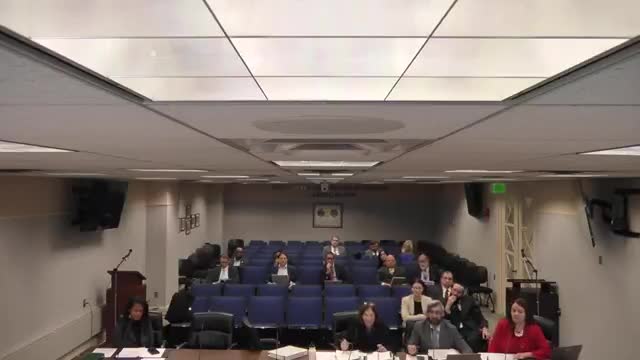
Summary
OPC and intervenors pressed PEPCO to limit blanket confidentiality and deliver supporting Excel workpapers promptly; PEPCO agreed to supply live spreadsheets within two business days but resisted requiring a written legal basis for every confidentiality designation, noting protective‑agreement procedures.
During the Nov. 12 prehearing conference, the Office of People’s Counsel (OPC) proposed a set of discovery rules aimed at improving transparency in the PEPCO rate case. OPC asked that live Excel workpapers accompany testimony and that redactions be limited to specific confidential elements with an explained legal basis when material is withheld from the public record.
PEPCO counsel Kim Curry objected to some proposed mechanics, saying the utility often produces outputs from forecasting software that require conversion into Excel and that a short window for circulating numerous spreadsheets can be administratively burdensome. PEPCO initially sought up to five business days to format and serve live workpapers but agreed on the record to a two‑business‑day standard for testimony filings.
Intervenors and commissioners pushed back on broad confidentiality designations. OPC and AOBA asked PEPCO to mark which portions of multi‑page slide decks or spreadsheet filings are confidential so parties can prepare nonconfidential portions for testimony and public disclosure. PEPCO said it relies on an existing protective agreement and regulatory authorities to designate confidential material and that many slide decks contain vendor or third‑party information warranting protection. The chair deferred final instructions to the scheduling order but directed parties to apply standard good‑faith practices and to raise disputes with the commission if confidentiality claims are overly broad.
On data‑request timing tied to the Dec. 18 update‑to‑actuals, the commission set a seven‑business‑day response window to accommodate holidays and ensure parties have time to analyze updates.