
Board reviews bus conduct data and considers policy changes, volunteer pilot
Get AI-powered insights, summaries, and transcripts
Sign Up Free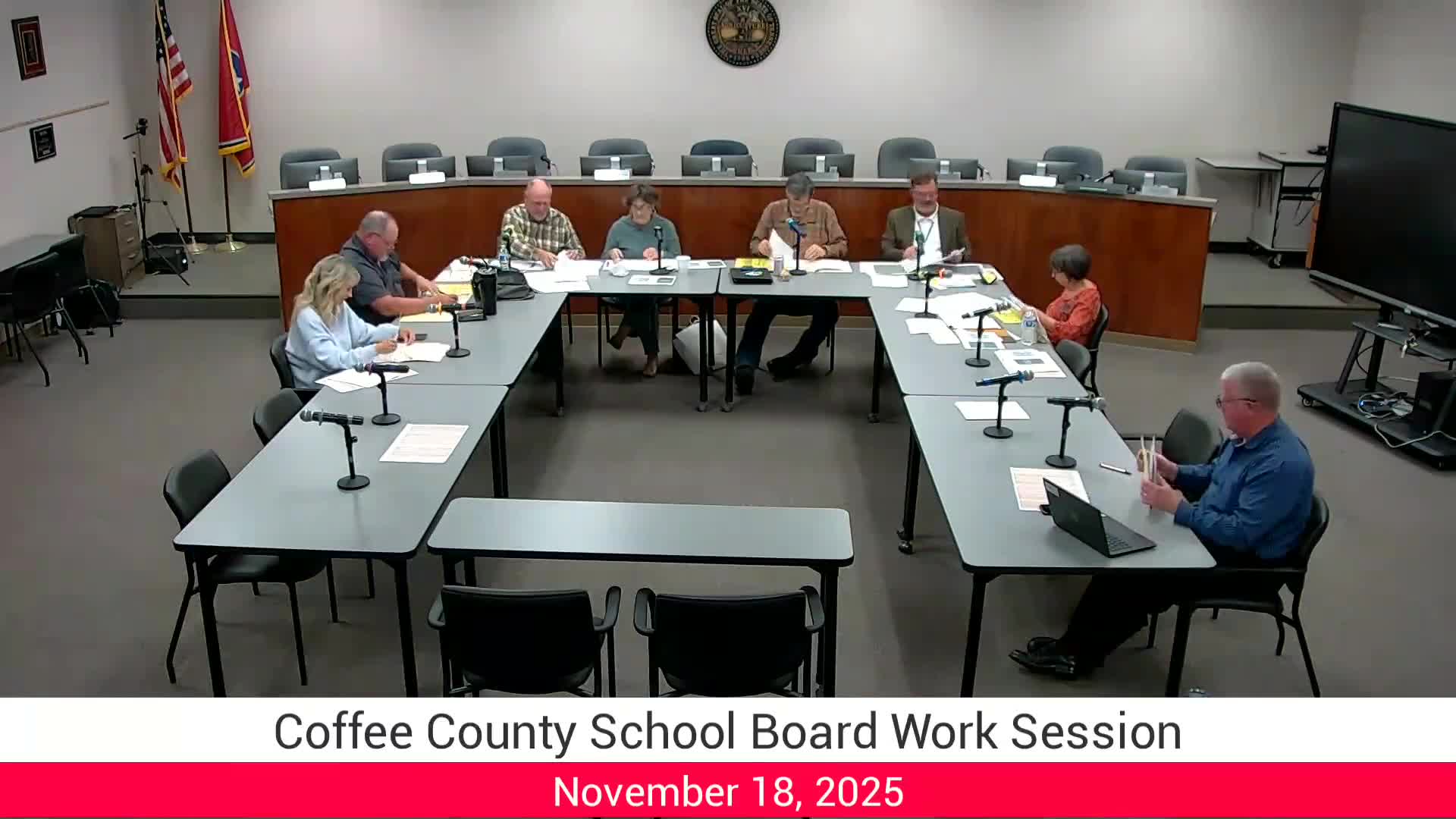
Summary
Board members heard transportation data showing hundreds of bus conduct reports and debated shifting some discipline authority from building principals to the transportation supervisor, improving reporting consistency and piloting vetted volunteers or attendants on high-incident routes.
The board devoted an extended segment to bus policy (Policy 6.308) and bus conduct procedures after staff joined the work session to share discipline data and recommended revisions. Speaker 11 explained that the redline merges Coffee County policy with TSBA-recommended language; Speaker 3 and Speaker 7 presented implementation details and numbers.
Speaker 7 reported that 419 conduct reports were filed from the first day of school and that, in a recent month, there were 69 incidents across the county; the middle schools accounted for a large share. Board members and staff flagged inconsistent follow-up: a portion of reports were marked as "unreturned" to transportation, meaning the transportation office had no record back from some schools about consequences or follow-up. That inconsistency, speakers said, undermines progressive discipline and driver confidence.
Members debated whether authority to deny bus-riding privileges for severe discipline should remain with the school principal (the current practice) or be centralized under the transportation supervisor. Concerns included local knowledge of families and the risk of removing a student's transportation (which could affect attendance). Speaker 9 cautioned that a single centralized reviewer might not know family circumstances; Speaker 6 suggested a trial period if the board wants to shift that authority.
The board also discussed volunteers or dedicated bus attendants to help on high-incident routes. Staff said insurance would likely cover vetted volunteers but recommended strict vetting (background checks, training) and waivers; some members warned of liability exposure and urged careful policy language. Staff proposed piloting volunteers on about five targeted buses and additional driver training in January.
No formal vote was taken. Actions recommended: refer the redlined policy to the policy committee, pilot targeted bus-attendant/volunteer coverage and tighten reporting/entry procedures so bus conduct reports are consistently returned to transportation.