Get Full Government Meeting Transcripts, Videos, & Alerts Forever!
Get email alerts on the Budget topic
No spam. Unsubscribe anytime.
South Portland schools project tighter budget after fund balance falls; finance director urges multi-year planning
Summary
Finance Director Abigail Ketchin told the board the district faces a tighter outlook despite a one-time $815,000 geothermal tax credit; she urged planning for FY27 without relying on depleted savings and flagged rising long-term costs and the need to use grant funds and curb overtime.
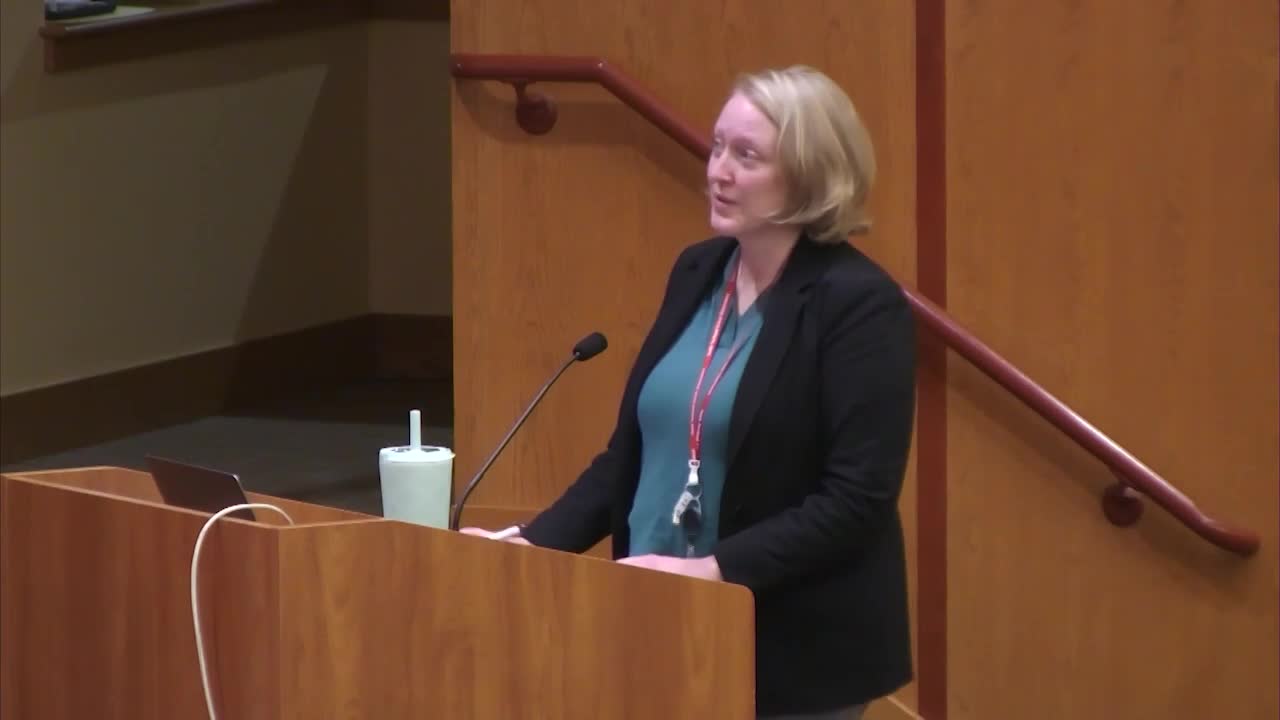
Finance Director Abigail Ketchin warned the South Portland School Board on Tuesday that the district must plan for next year without the budget cushion it has leaned on in recent years.
Ketchin presented an end-of-year projection for FY26 that, under “normal circumstances,” would have shown a $337,000 deficit in June. She said a one-time geothermal energy tax credit that is expected to net about $815,000, combined with other adjustments from FY25, has materially improved the picture and could allow the district to finish the year with some fund balance remaining. “That provides relief and it allows us to most likely land in the black this fiscal year,” she said.
Why it matters: Ketchin emphasized that the district has drawn down savings repeatedly over recent years — moving from multi‑million-dollar reserves toward much smaller balances — and that without a reserve the district will have less flexibility to absorb unexpected costs without making personnel or programmatic changes.
Ketchin outlined steps the district is pursuing to shore up its position: fully using available grant funding, analyzing and reducing overtime, tightening operational spending and expecting the nutrition program to be budgeted closer to balance in FY27. She also urged a conservative planning approach, noting that budgets should assume limited savings and plan multi‑year rather than single‑year strategies.
Board members pressed for an ideal fund-balance target; Ketchin did not name a single “magic number” but cited 5% of the budget as a commonly used rule of thumb, which she estimated would be roughly $3.6 million. A board member observed the district had previously held higher reserves and called for greater multi-year fiscal discipline going forward.
The presentation flagged a broader trend the district faces: a larger overall budget driven by rising costs (Ketchin noted the budget grew from about $55 million in FY22 to about $73 million now) and a need to avoid repeatedly relying on reserves to smooth annual tax requests. Ketchin said the district will continue to bring monthly updates to let leaders “course correct midyear.”
What’s next: The finance office will continue month-to-month projections and present options for midyear adjustments. Ketchin said the district will solicit community input during the FY27 budget process and pursue cost‑control and revenue opportunities to avoid a sharper fiscal cliff.