Get Full Government Meeting Transcripts, Videos, & Alerts Forever!
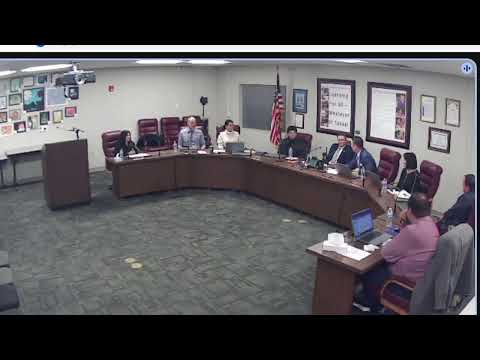
Phelan Elementary tells Snowline board its SEAL and 'building thinking' approach is lifting student engagement
Summary
Phelan Elementary principal and teachers told the Snowline Joint Unified board they are combining SEAL language instruction, Building Thinking Classrooms and a new literacy playbook to raise student engagement and accelerate learning, especially for English learners; staff said RTI scheduling has shrunk intervention group sizes.
Phelan Elementary educators told the Snowline Joint Unified School District Board of Trustees that a coordinated package of instructional strategies is producing stronger engagement and early gains in reading and language development. Principal Tony Buckley said the school is moving out of the district's prior red-zone on the dashboard and called 2025's work a "breakthrough year." "We've been working those four initiatives together — Building Thinking Classrooms, SEAL, PLCs and the literacy playbook — and the alignment is making a difference,"…
Already have an account? Log in
Subscribe to keep reading
Unlock the rest of this article — and every article on Citizen Portal.
- Unlimited articles
- AI-powered breakdowns of topics, speakers, decisions, and budgets
- Instant alerts when your location has a new meeting
- Follow topics and more locations
- 1,000 AI Insights / month, plus AI Chat