
Committee advances acquisition/fair-market-on-transfer valuation bill with implementation caveats
Get AI-powered insights, summaries, and transcripts
Sign Up Free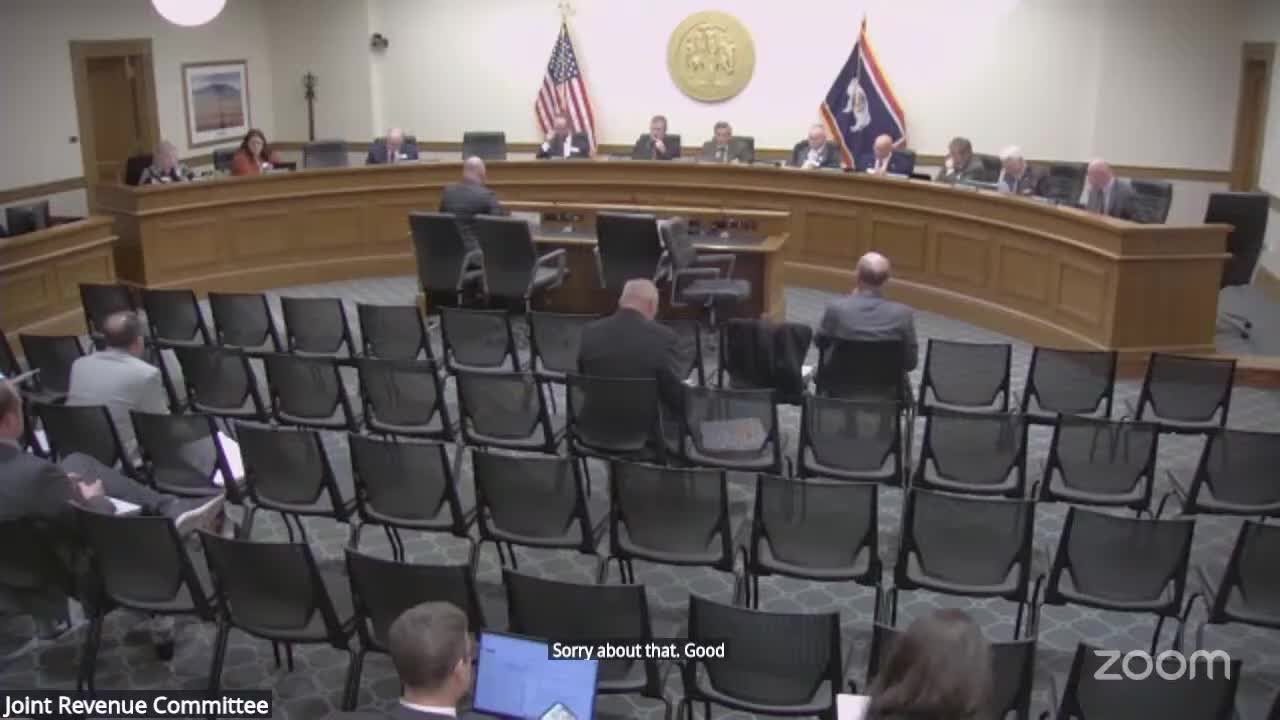
Summary
The committee advanced a working draft (26 LSO 0101) to change residential property valuation to fair-market-on-transfer/acquisition-style valuation, approved amendments delaying the effective date to 2028 and adding transfer-definition clarifications, and asked the Department of Revenue for implementation cost and rule guidance.
The Revenue Committee advanced a working statutory draft (26 LSO 0101) proposing a valuation method that sets a base value at the fair market value on transfer (or a 2019 base for earlier acquisitions) and then applies a capped annual adjustment (the draft used the lesser of 2% or CPI). The draft includes exceptions for certain intra-family transfers and directs the Department of Revenue to adopt implementing rules.
County assessors and Department of Revenue officials raised operational concerns: the draft requires extensive rulemaking, software programming and judgments about how to allocate acquisition price when a single sale includes both agricultural land and residential structures. Department of Revenue director Ken Gill asked the committee to move the bill’s effective date from Jan. 1, 2027 to Jan. 1, 2028 to allow necessary systems work; assessors urged clarity on how additions and decline years are handled and suggested the department should set construction-cost adjustments via rule rather than rely on submitted receipts.
Committee members responded by adopting a conceptual amendment to allow downward adjustments if market values decline (an escalation/de-escalation index concept) and by adding a rebuttable presumption that acquisition price equals fair market value for sales on or after the effective date, with an ability for an assessor to reject a non–arm’s-length transaction. The committee held a roll-call; the clerk recorded 11 ayes and 2 excused and the bill was advanced as amended.
What’s next: LSO will redraft the bill language to reflect committee amendments; the Department of Revenue and county assessors will prepare implementation estimates and proposed rule text to support committee follow-up.
Source: Committee testimony, amendments and roll-call recorded in the Revenue Committee transcript.