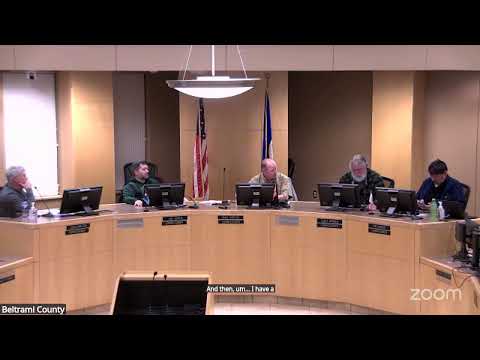
Residents urge Beltrami County to preserve library funding as budget talks continue
Get AI-powered insights, summaries, and transcripts
SubscribeSummary
Multiple Bemidji-area residents told Beltrami County commissioners that cutting library funding would harm literacy programs, job-seeking services and vulnerable children; speakers urged the board to accept an $81,000 regional contribution and seek alternatives to staff and hours cuts.
Dozens of residents told the Beltrami County Board of Commissioners on Monday that proposed reductions to library funding would undermine programs that support literacy, job searches and children living in poverty.
"We simply can't afford to cut funding for the library," said Camille, a student at Bemidji State University, as she described the library's economic and social returns. Local speakers cited programs for toddlers, adult education, computer access for job hunters and summer reading offerings.
Pam Reuger, a longtime Bemidji resident, urged commissioners to accept what she described as a regional library system offer of $81,000 to help keep local services intact and asked the county to match or otherwise secure that support. "A library is a pillar of the community," Reuger said, describing how free library services have helped families and individuals find resources and stability.
Former teacher Ken Grantier told commissioners the proposed $170,000 reduction is small relative to the overall county budget but would translate into lost staff positions and reduced programming. He said contingency funds exist and urged officials to prioritize maintaining 21 weekly hours of programming and the children's librarian role. "It's not a ton of money," Grantier said of the amount needed to avoid service cuts, while noting larger line-item changes elsewhere in the budget.
Other speakers, including Leonor Potter and Sherry Chloe, tied library services to broader community and economic goals. Potter referenced the historic Carnegie-era promise that communities fund library maintenance and noted that new grants exist to support libraries; Chloe recounted mentoring a child who relied on the library for literacy and stability.
Commissioners did not take a final vote on library funding during the meeting. Speakers asked the board to consider alternatives — using contingency funds, accepting regional contributions, and exploring grants — before any reductions take effect. The board's next steps were not decided at the meeting; commissioners discussed budget items later in the agenda and received public comment but a final budget action was not recorded in this session.
At a glance: actions recorded during the meeting included approval of the meeting agenda and the amended consent agenda (both passed 5-0). The library funding matter was raised during public comment and remains under consideration.