Residents urge Pennington County to restore Rapid City Public Library funding as negotiations continue
Loading...
Summary
Multiple residents and library advocates urged the county to reverse proposed cuts to the Rapid City Public Library during public comment; commissioners said they are renegotiating contracts and reviewing a roughly $197,000 library fund balance while seeking additional data before making final budget decisions.
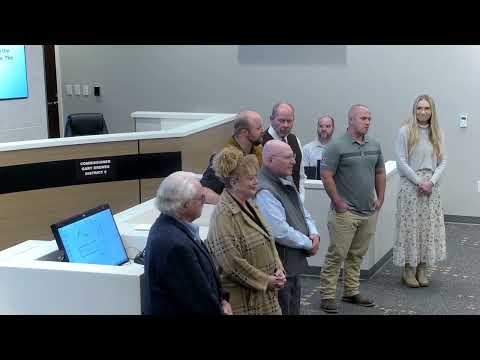
Dozens of Pennington County residents appealed to commissioners on Nov. 18 to restore the county’s contract funding for the Rapid City Public Library, saying proposed reductions would harm low-income residents, students and rural cardholders.
"The Rapid City Public Library provides resources to everyone, especially our lowest income families," said Ashley Mosquera, who identified herself as a library patron. "A 73% cut to the library will not meaningfully reduce anyone’s taxes, but it will destroy free access to job‑seeking tools, technology and literacy programs."
Other speakers traced county responsibility to past ballot measures. Kathy Johnson, a former library board member, reminded commissioners that in 1998 and 2000 voters approved county-supported library services and warned that cuts could force a nonresident fee for rural users. Rod Pettigrew, identified as the Rapid City Council president, urged cooler heads and collaboration among city leaders, library staff and the county to find funding alternatives rather than immediate cuts.
Commissioners responded that the county is renegotiating its contract with the Rapid City Public Library, not terminating services. Commissioner Rosknecht said the commission has identified roughly $197,000 in unrestricted library reserves that might be a partial resource while negotiations continue, and he invited library staff to provide the outstanding data the board requested.
"We are renegotiating, not terminating," the chair said, urging patience while staff and commissioners collect budget details and continue talks with library officials. Commissioners also noted that county funding supports four branch libraries beyond Rapid City (Keystone, Hill City and Wall) and said negotiations will consider systemwide impacts.
What's next: Commissioners asked planning and finance staff to gather the library’s requested budget data and return with full information. No final funding vote occurred Nov. 18; commissioners said they would continue the renegotiation process and report back to the public.
Provenance: Portions of this article draw from residents’ public comments beginning with Gail Haveman (SEG 134) and continuing through multiple speakers and the commissioners’ response (SEG 419–477).