
Board reviews proposed 2026–27 Program of Studies, adds data science, commercial music and AP macroeconomics
Get AI-powered insights, summaries, and transcripts
Sign Up Free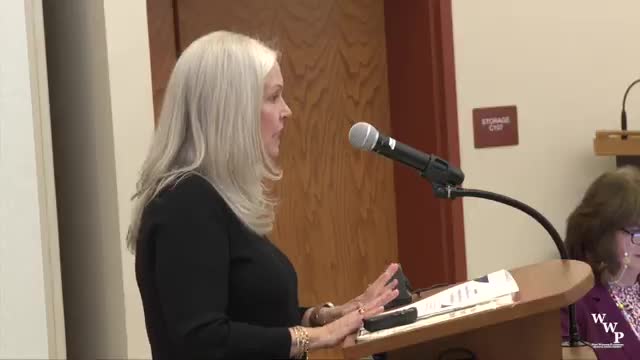
Summary
District staff presented proposed changes to the 2026–27 Program of Studies including new courses (Data Science with Algebraic Applications, Commercial Music Ensemble, Music Production capstone, AP Macroeconomics), AVID credit recognition, a shift in multilingual learner support to a sheltered‑instruction model (SIOP), and timing for family webinars and course selection windows.
The West Windsor‑Plainsboro Regional School District on Monday heard a detailed presentation of proposed changes to the Program of Studies for the 2026–27 school year. Sutataro, presenting on behalf of Dr. Gould, outlined a timeline for family outreach, course selection and counselor meetings and described several new course proposals designed to expand student pathways.
"This evening's program will include the changes to the program of studies for 2026, 2027," Sutataro said, summarizing the district's intent to publish timelines, host a virtual webinar for grades 10–12 on Jan. 28, and open course requests in Genesis with counselor follow‑ups in February and March.
Among the course additions proposed were Data Science with Algebraic Applications to satisfy a third year of mathematics, a performance‑based Commercial Music Ensemble exploring modern genres, an advanced Music Production capstone in which students act as producers and audio engineers, and AP Macroeconomics (with AP Microeconomics as the stated prerequisite). Sutataro described pathways so students who take data science could then pursue Algebra II or Statistics to meet graduation math requirements.
The presentation also listed programmatic and wording changes: the district would recognize AVID (Advancement Via Individual Determination) curriculum for 21st‑century elective credit where state standards are met; it would change multilingual learner supports from a "high intensity" pull‑out model to a sheltered‑instruction model using SIOP strategies so students spend more time in inclusive settings; and it would add explicit prerequisite language to the program (for example, clarifying geometry honors or precalculus percentage requirements for AP Statistics and confirming both Algebra II and Geometry are considered for precalculus placement).
Sutataro said the district updated course names and descriptions to better reflect learning outcomes (for example, renaming Research and Sustainable Development to Research Lab: Housing, Transportation, and Sustainable Development, and renaming Music Technology to Music Production). The AP Studio Art prerequisite was revised to allow demonstrated expertise in other art courses (such as photography) as an alternative pathway rather than requiring a portfolio review alone.
Board members asked clarifying questions about evaluation and student demand. When asked whether new courses would be evaluated, Sutataro replied, "Absolutely. That's part of the protocol for any course that we adopt." Multiple members praised expanded arts offerings and said items had arisen from student requests.
The presentation closed with next steps: family webinar scheduling, course request windows in Genesis, counselor meetings to finalize selections, and a notation that level changes remain possible in the fall (e.g., between October 1–15 for ninth graders seeking honors).