Get Full Government Meeting Transcripts, Videos, & Alerts Forever!
Get email alerts on the Sales Use Reorganization topic
No spam. Unsubscribe anytime.
Revenue committee advances plan to merge sales and use tax statutes; staff note numerous conforming edits needed
Summary
Committee approved moving 26LSO0201, a large LSO draft to combine Wyoming's sales‑tax and use‑tax chapters into one statutory article without changing tax rates. Staff and the Department highlighted multiple technical items (vendor definition, NAICS reference, distribution mechanics and contractor provisions) that will require careful conforming edits and possible IT work.
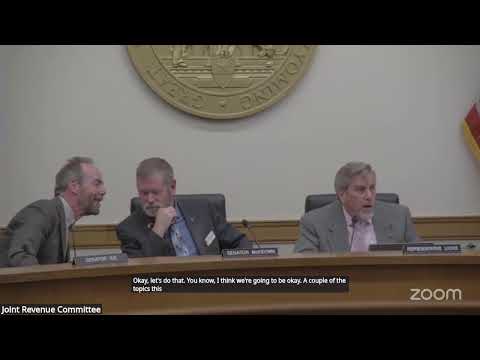
The Joint Revenue Committee approved advancing a staff‑draft bill to reorganize Wyoming's sales and use tax statutes into a single article, saying the change is intended to reduce duplication in future bill drafting while preserving current tax policy.
LSO analyst Josh Anderson said the draft principally copies use‑tax language into the sales‑tax chapter and strikes duplicative references to chapter 16, noting the intent "is just to copy existing language from use tax and merge it with the sales tax, not intending any substantive changes." Anderson described multiple places where definitions and cross references differ and flagged that conforming changes will be necessary in other statutes if chapter 16 is repealed.
Department of Revenue director Brett Fanning told the committee the reorganization would make administration easier but flagged points for the committee to consider, including how the definition of "vendor" treats out‑of‑state locations, the NAICS code reference (staff noted a 2002 reference in statute while practice uses a later NAICS), and how contractor provisions and lien‑priority language should be reconciled. "Yes, it makes it easier to administer," Fanning said, but he urged careful work to keep current functional outcomes intact.
Key technical choices debated included whether to update a NAICS citation to the most current edition or leave the year referenced; whether to combine a $40,000 (sales) and $10,000 (use) monthly distribution to counties into a single $50,000 figure (department warned that combining can require programming changes); and how lien‑priority language differs between sales and use statutes. Committee members directed staff to work conceptually with the department to make the provisions consistent where necessary.
The committee then worked the bill page by page, adopting staff recommendations on vendor definition language and other conforming changes. After discussion and several adopted page‑specific amendments, the committee took a roll‑call vote and moved the bill forward. The vote recorded 'Aye' from a majority of members; a small number were excused for the vote.
What it means: The reorganization is administrative in intent but sizable in scope; staff cautioned the final introduced bill will be longer once conforming statutory deletions and cross‑references are added. Committee members asked the Department of Revenue to provide additional technical and fiscal information — including whether IT programming would be required for certain distribution changes — before introduction.
Vote at a glance: 26LSO0201 — sales and use tax reorganization as amended; committee roll call recorded a majority 'Aye' and several excused members.