
Board debates TIME extended-year pilot; proponents cite learning gains, trustees raise cost and logistics concerns
Get AI-powered insights, summaries, and transcripts
Subscribe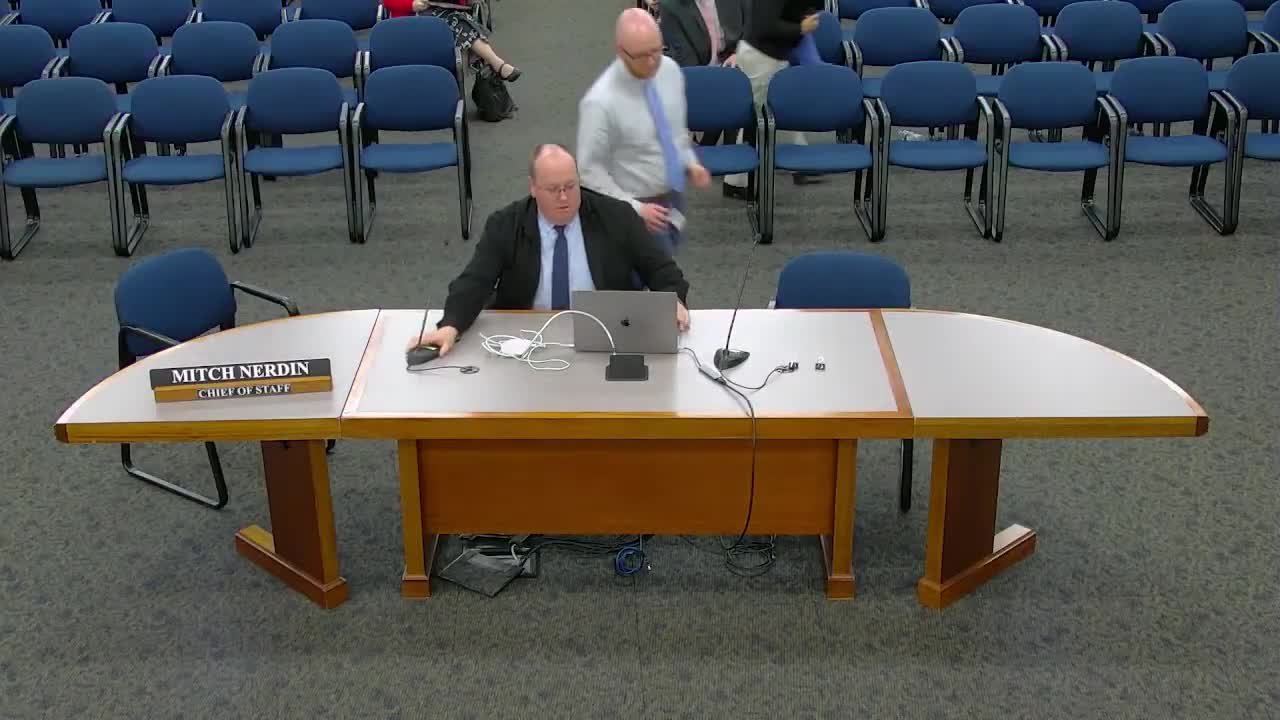
Summary
Administrators proposed a TIME (Time Invested for Meaningful Education) pilot to extend the school year at one K—5 site to reduce learning loss; presenters said Title I and state support could cover early costs, while trustees raised objections on costs, summer break loss, teacher burnout and logistics.
Administrators introduced the TIME pilot (Time Invested for Meaningful Education) to the Granite School District Board on Nov. 18, describing a single-school, extended-year model targeted to at-risk K—5 students aimed at preventing summer learning loss and improving academic outcomes.
Dr. Nerdin opened the presentation by explaining the concept and the research rationale. "TIME project stands for Time Invested for Meaningful Education," Dr. Nerdin said, and added the pilot is "not summer school" but rather an academic calendar modification for one pilot school. Administrators said teachers would need to apply to staff the pilot site and students there would participate for the full extended calendar; alternative placement and transportation would be provided for students who choose not to participate.
Officials said some operational costs would be covered through a Title I set-aside for the first pilot year and that they have discussed food and transportation support with the state superintendent. Administrators also described a planned legislative meeting with Senator Fillmore and Senate President Adams to seek additional funding for a proposed three-year pilot.
Several trustees expressed substantive concerns. Board member Kim Chandler said she "doesn't like this idea at all" and questioned the premise that more time equals more learning, arguing quality matters more than quantity. "Kids should not be raised by the government," Chandler said, framing part of her objection as a concern about the district—s role versus family time. Other trustees cited logistics, potential forced reassignments of neighborhood students, reliance on uncertain legislative funding and the accelerated timeline for implementation.
Administrators responded that community engagement and bargaining-unit conversations are planned and emphasized the pilot—s instructional goals. Superintendent Horsley (speaking in response) said the program is driven by data and would be paused if outcomes do not justify continuation; administrators committed to deeper community conversations before finalizing any rollout.
Next steps: administrators said they will continue outreach to families, staff and legislators, refine operational logistics and return to the board with a more complete plan for consideration before any action is taken.