
Placentia-Yorba Linda board weighs cuts as enrollment declines deepen and deficits widen
Get AI-powered insights, summaries, and transcripts
Subscribe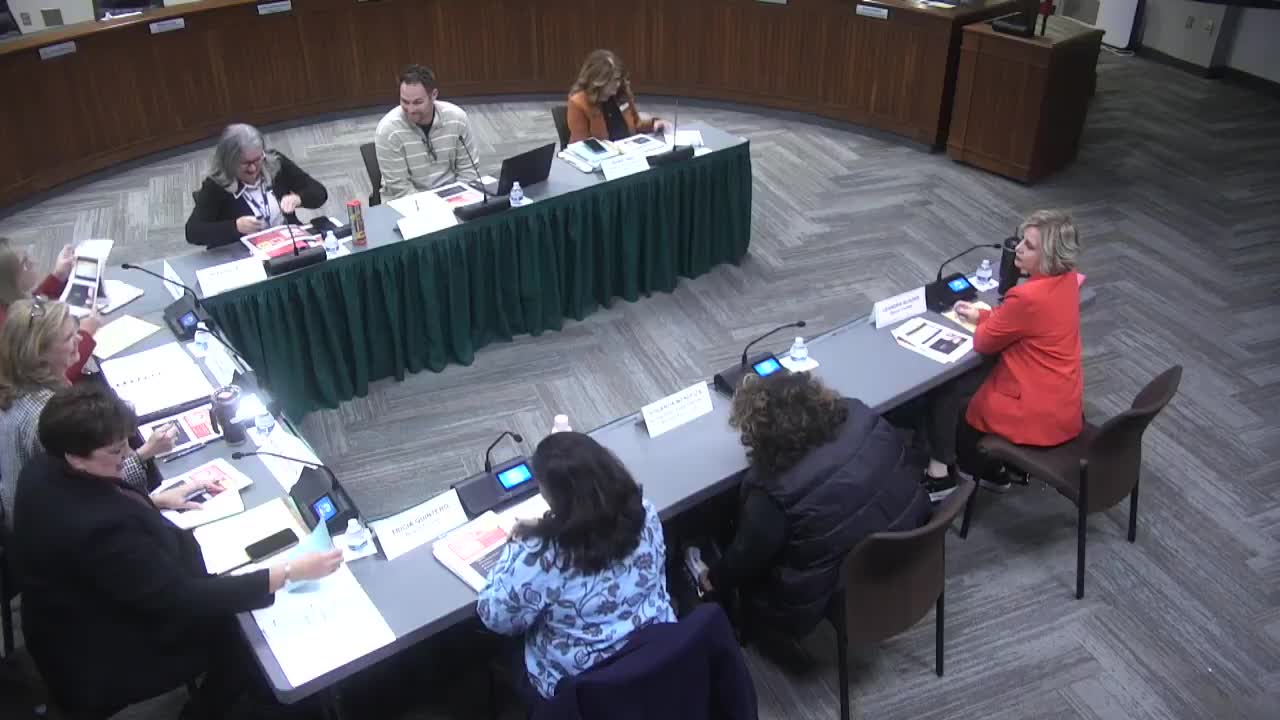
Summary
District staff told the board the unrestricted general fund faces a $15.6 million shortfall this year after a $6.4 million deficit last year, with projected multi‑year deficits tied to declining enrollment; trustees directed staff to build reduction scenarios that protect core classroom services.
The Placentia‑Yorba Linda Unified School District board on Nov. 18 heard staff lay out multi‑year budget shortfalls driven largely by continued enrollment losses.
Interim assistant superintendent Joan Velasco said the district closed the prior year with a $6.4 million deficit and now faces a $15.6 million shortfall for 2024–25. Based on current assumptions, Velasco said the district projects additional deficits of about $13 million in 2026–27 and nearly $12 million in 2027–28 if no course corrections are made.
Velasco and superintendent Dr. Kim told trustees the district is focusing on unrestricted general fund balances because those dollars pay for day‑to‑day school operations. Velasco said people costs make up roughly 86% of the district’s budget; statutory employer costs add about 36 cents per payroll dollar, and average health and welfare costs are about $27,000 per employee.
Trustees discussed drivers of enrollment declines. Velasco said statewide student counts remain lower even after expansion of transitional kindergarten; among reasons cited were lower birth rates, some families choosing homeschooling or private and charter options, and shifts in local population. Public commenter Linda Cone urged the board to investigate an anomalous period in the district’s historical enrollment data that briefly reversed the downward trend.
Board members asked staff to prioritize potential reductions and to return with proposals that reflect board priorities. Velasco outlined candidate savings, including increasing bus replacement cycles, consolidating low‑enrollment course offerings, reducing vacancy hires at district level before school sites, and evaluating furloughs (she estimated one districtwide furlough day would save roughly $1.1 million).
Dr. Kim said the district will gather trustee input using a “note‑catcher” and compile themes for cabinet and budget managers to convert into formal scenarios. She emphasized the board would set priorities that staff would then use in constructing the budget package to present in future board meetings.
Next steps: staff committed to returning with more detailed demographic comparisons (population versus enrollment impacts) and targeted reduction options tied to the board’s stated priorities.