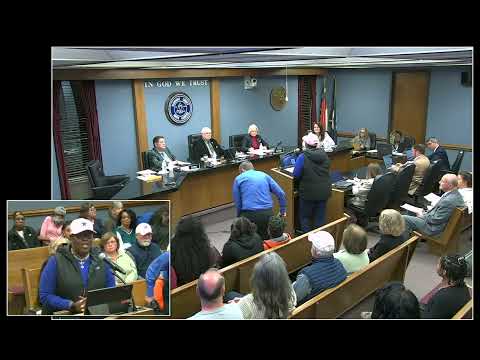
County reports $16.6M in opioid settlement funds, details recovery, naloxone and reentry spending
Loading...
Summary
Health officials reported Alamance County expects $16.6 million in opioid settlement funds (2022-2038) and summarized funded strategies this year including peer-support/recovery navigation ($799,279.43), naloxone distribution (4,666 doses), residential treatment, reentry housing support and a newly launched recovery court.
Alamance County reported Monday it expects roughly $16.6 million in opioid settlement payments over the 2022-2038 timeframe, and county health officials outlined how the funds were allocated during the most recent fiscal year.
Ashley Barber, behavioral health and substance-use division director, said the board authorized expenditures across seven strategies beginning July 2024, chosen after community feedback. The largest single investment this year was recovery-support services: $799,279.43 went to peer support specialists and care navigators who worked across multiple settings and connected 73% of served individuals to addiction treatment and 62% to housing, employment or other services.
Barber said the county distributed 4,666 doses of naloxone and provided 16 trainings that reached 370 people. Residential treatment services began implementation and the county is expanding medication-assisted treatment options; residential programs reported serving more than 100 people in detox and residential care during the reporting period.
The county has also launched a recovery court (Judge Brown presides; an alternate judge Ray serves as backup) that began April 25 and currently has 11 participants across three phases with a goal of expanding to a full docket of 30. Reentry programming (Benevolence Farm) provided housing and case management to formerly incarcerated women and reported high linkage rates to treatment, housing and employment.
Barber cautioned that some programs have been delayed by contracting and staffing timelines, and she said the report covers a partial implementation window; the county expects more robust data next year. She also noted overdose trends showed declines in fatal and nonfatal overdoses over a five-year law-enforcement data window but stressed continued investment.
Next steps: County staff will continue monitoring program metrics and report further detail in the next annual update; post-overdose response funds are in contracting and expected to start after implementation is finalized.