Appeal also highlights post‑trial discovery delay and whether ineffective‑assistance claims were lost
Loading...
Summary
During oral argument in State v. Charlie Martinez, judges and counsel debated whether a nine‑month delay by the State in responding to post‑trial discovery requests prevented defense from pressing an ineffective‑assistance claim at the motion for new trial stage; the court heard arguments and reserved decision.
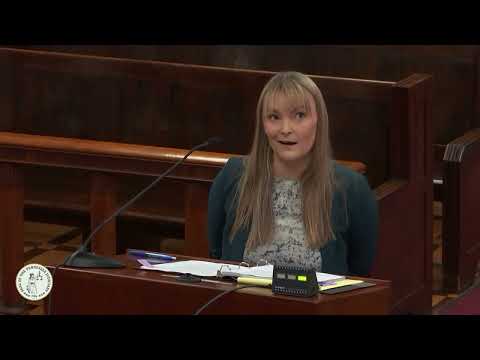
Oral argument in the Martinez appeal moved beyond admissibility of writings to a contested discovery and ineffective‑assistance timeline. A judge asked whether the lengthy post‑trial discovery request and the State's delay inhibited the defense from presenting an ineffective‑assistance claim at the motion for new trial stage.
State appellate counsel Garrett Ward told the panel the initial post‑trial discovery request was presented without sufficient explanation of why the materials were "material" under Rule 16 and that the trial judge had appropriately asked the defense to specify materiality. Ward acknowledged the trial court had provided funds for an expert but said the State viewed the later request as voluminous and not clearly tied to issues then before the court. "When the request was initially made, there was no explanation of why it would be material to any issue presented on the motion for bridal," Ward said.
Defense counsel Chelsea Moore contended that a nine‑month delay by the State in responding forced the defense to abandon an ineffective‑assistance claim at the motion for new trial stage because the trial court would not continue the case to permit additional evidence; Moore said trial counsel was prepared to call trial counsel as a witness and that the delay prejudiced Martinez's ability to pursue the claim on direct appeal.
The State argued that sufficiency review on direct appeal is limited to information introduced at trial and that the ineffective‑assistance ground was abandoned or properly pursued in a different procedural posture (post‑conviction relief). Ward also noted that if the claim were viable, post‑conviction proceedings remained an available remedy.
The court did not resolve the discovery or ineffective‑assistance questions at argument and closed by thanking counsel and taking the matters under advisement.