Tennessee appellate argument centers on whether rap‑style writings could corroborate murder evidence
Loading...
Summary
At oral argument in the appeal of State v. Charlie Martinez, defense counsel argued that rap‑style writings admitted at trial were prejudicial and not sufficiently tied to the charged crime, while the State said the writings closely mirrored the facts and were properly admitted; the court took the matter under advisement.
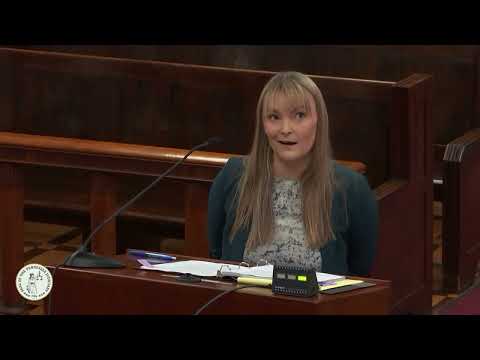
At oral argument in the Tennessee appellate proceeding in State of Tennessee v. Charlie Martinez, defense appellate counsel Chelsea Moore urged the court to reverse the trial court’s admission of rap‑style writings found in notebooks and a jail cell. Moore told the panel she represented defendant‑appellant Charlie Martinez and reserved five minutes for rebuttal. "I would like to reserve 5 minutes for a rebuttal," she said, and asked the court to focus on issues raised in her principal brief.
A judge interrupted early to narrow the focus, asking plainly, "Why are [the rap lyrics] not considered statements against interest? And why do they not establish the defendant's identity in this case?" The bench pressed Moore on whether trial counsel had effectively acquiesced to the admission of the writings and whether the portions offered could have been redacted.
Moore argued the lyrics and writings lacked independent corroboration and were in several respects inconsistent with other evidence. She emphasized timing and provenance: two notebooks recovered at a house where Martinez was arrested and loose leaf paper from a jail cell were photographed and admitted as exhibits, but the notebook writings were not clearly contemporaneous with the charged offense. Moore also said parts of the writings describe crimes or details not reflected in the record, noting in her brief that some lines reference a woman named "Megan," not otherwise present in the case. She said admission of the writings "in totality, especially during both closing and rebuttal arguments from the state, would be even further prejudicial."
State appellate counsel Garrett Ward told the court the writings were properly admitted and were important corroborative evidence. Ward described the physical evidence and exhibits: photographs of notebook pages recovered at Martinez's hideout and loose leaf pages found in his jail cell were collected and introduced at trial. He pointed to DNA evidence, a fresh gunshot wound to Martinez’s leg reported at trial, surveillance showing the suspected victim's car abandoned hours away, and the writings’ detailed references to flight to New Jersey, a cousin removing a bullet, and plans to "dump" the gun, phone and car.
Ward said the timing and the close factual parallels distinguished this case from the precedent the defense cited and argued that the trial court made the required findings before admitting the writings under the governing evidentiary framework. "Given the high degree of similarity, given the evidence that we have about the sort of temporal relationship between the writings and the crime, the trial court properly admitted them," Ward told the panel. He added that even if the court had doubt, reasonable judges could differ under Rule 403's discretionary balancing.
The bench also asked whether the defense had raised redaction options at trial; Ward said the record did not reflect a redaction effort by trial counsel and that redaction as an alternative was not properly presented on appeal. The panel and counsel also discussed whether some of the jail writings were written after the crime and whether writings found at the house were part of an ongoing composition process rather than confessions about this incident.
The court did not announce a decision from the bench. After closing remarks from counsel, the court stated it would "take it under advisement."