
Officials flag need for new firehouse; staff say cost estimates have jumped since 2018
Get AI-powered insights, summaries, and transcripts
Subscribe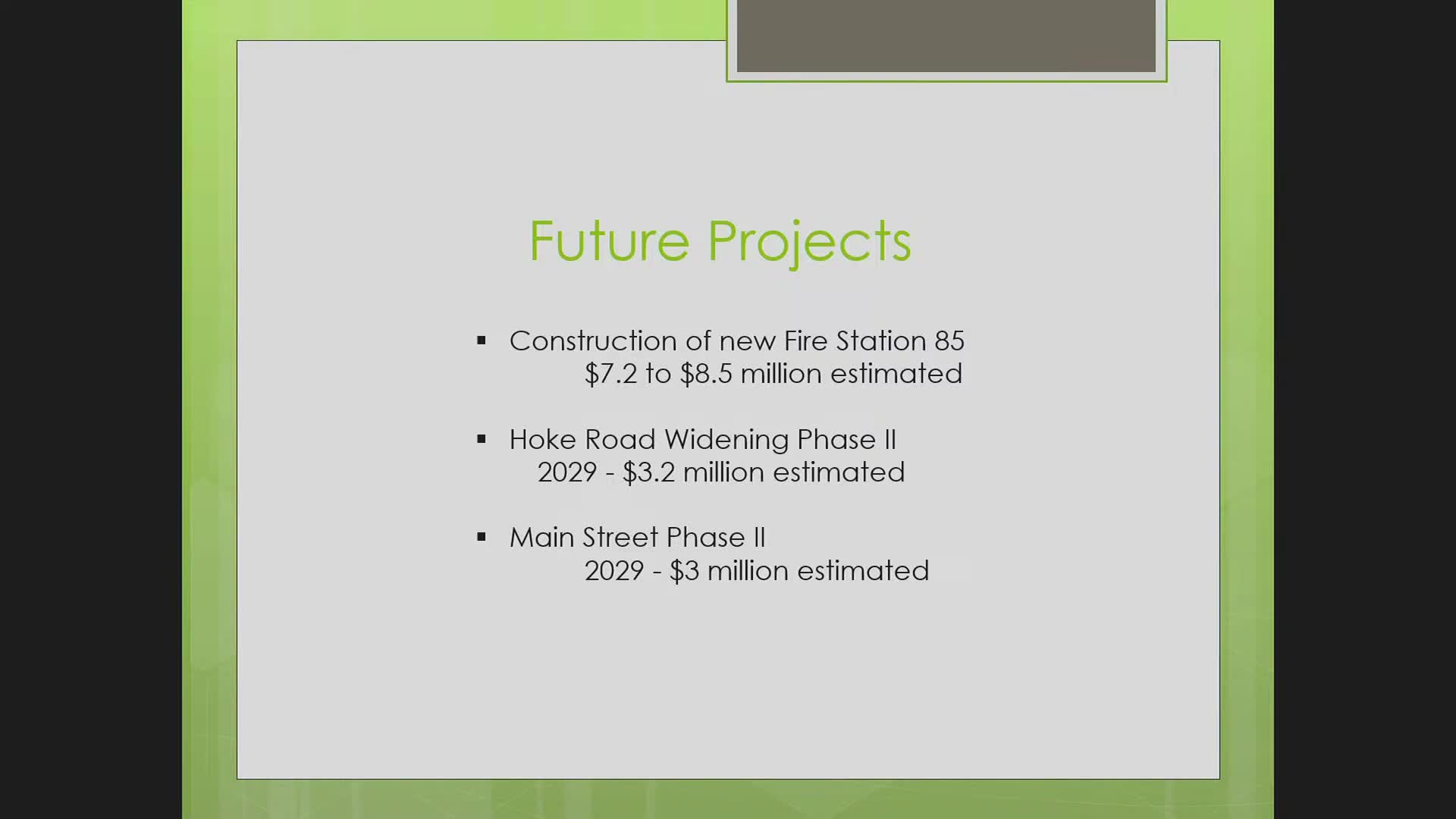
Summary
Council heard that a previously discussed firehouse project has escalated in cost since 2018, with staff citing a current estimate much higher than the earlier recommendation; the city will monitor revenues and maturing debt to time construction planning in 2027–2029.
During the budget workshop, Brian (Speaker 5) brought the council’s attention back to a long‑term capital need: a replacement firehouse. He told the council the project was discussed in 2018 and was then recommended at about $2.223 million; he said post‑COVID price escalation and changing market conditions mean the same project now carries a much higher estimate.
"The $2.22300000.0 dollar firehouse we recommended back in 2018 now becomes a $78,000,000 firehouse after COVID," Brian said, asking council members to keep the project on their radar. He said staff will watch revenue trends and maturing debt service in the 2027–2029 window to determine when to advance phases of design and construction.
Brian described current station overcrowding and infrastructure problems: firefighters live in cramped spaces, there are limited shower/bathroom facilities, and he reported failing plumbing that could lead to emergency portable facilities if not addressed. He said the existing training house behind the station is actively used for fire, police and SWAT training, that the city does not pay property taxes on it while used for training, and that the house will remain in place until the city is ready to build a new firehouse.
Council members asked about demolition timing for the training house; Brian said it will be torn down when the city is ready to build. He and other speakers discussed construction options (pole‑barn style versus steel) and tradeoffs in longevity and upfront cost. Brian urged phased planning rather than building an overly expensive long‑lived structure, saying a pole‑barn approach would save millions and still meet needs.
Kevin noted the city has debt‑service rolloffs in 2029–2030 that could create capacity to issue new bonds for a replacement station and said staff will continue to explore grants and financing options.
The council did not take formal action on the firehouse during the workshop; staff framed the discussion as early planning to be revisited as revenues and debt maturities become clearer.