Get Full Government Meeting Transcripts, Videos, & Alerts Forever!
Get email alerts on the Transportation Parking Tax topic
No spam. Unsubscribe anytime.
Heated public hearing on Spokane’s proposed commercial parking tax: airport, downtown businesses oppose; transit and housing advocates support
Summary
A large, divided turnout filled council chambers for first-reading testimony on a proposed local option transportation tax on commercial parking. Airport leadership and downtown business groups warned of harm to airport revenue and downtown workers; transportation and housing advocates said the tax funds safety and transit projects and helps repurpose surface lots for housing.
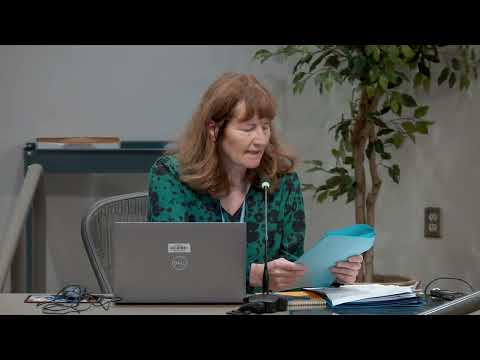
Dozens of speakers filled council chambers and the online queue to testify on the proposed local option transportation tax on commercial parking during a lengthy first-reading hearing.
Opponents stressed economic harms. Dave Herring, CEO of Spokane International Airport, told the council the airport depends heavily on parking revenue and said the proposed tax could reduce airport revenue and long-term capital investment; he urged council not to approve the measure. Downtown business and property representatives, including the Downtown Spokane Partnership and the Spokane Business Association, argued the tax risks deterring customers and employees and disproportionately burdens hourly workers who pay for daily parking. Several owners and operators said the proposal reached stakeholders too late for meaningful input.
Supporters, including Transportation Choice Coalition and the Spokane Low Income Housing Consortium, framed the tax as a tool to fund transportation projects, safety improvements, and incentives to redevelop surface parking into housing or higher‑value uses. Trenton Miller (350 Spokane) and Kaylee Jackman (West Central resident) emphasized climate and walkability benefits and said the revenue could fund traffic-calming and safety projects.
Speakers offered competing fiscal estimates: some testimony cited projected revenue generation targets; airport testimony included an internal estimate of multi-million-dollar impacts. Several downtown stakeholders asked for exemptions or different treatment for certain lots and questioned implementation details. The council moved first-reading ordinances forward and deferred final action as part of the first-reading package (the council’s schedule identified a date for final action to return). No final vote took place on the parking tax at this meeting; councilmembers said they would consider stakeholder feedback before final action.
The debate highlighted the trade-offs city leaders face between generating local transportation funding and protecting downtown businesses and publicly owned facilities such as the airport. Council members signaled they want more stakeholder engagement and more precise fiscal modeling ahead of a final vote.