
Jones County begins process for M-3 zoning amid data-center debate
Get AI-powered insights, summaries, and transcripts
Sign Up Free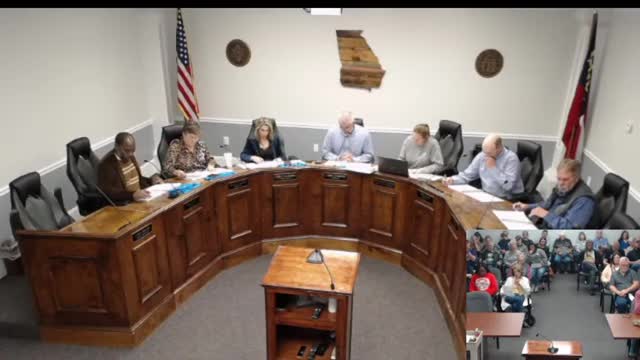
Summary
The Jones County Board of Commissioners voted Nov. 18 to begin creating an M-3 heavy-industrial zoning category for the countys industrial park. Planning officials and residents debated potential impacts of data centers on water, power and local resources; the planning board asked the county to contract a zoning attorney with data-center experience.
Jones County commissioners voted Nov. 18 to open the formal process of creating an M-3 zoning category for the countys industrial park, a change the county says would allow heavier industrial uses than the existing M-2 designation.
The vote to "start the process" followed a request from the countys development authority and discussion among commissioners about protecting agricultural and residential areas. Commissioner Wood said protections and limits are being developed at work sessions and emphasized that "there has not been 1 vote made, on moving forward with anything," noting the board has not approved any final agreement with prospective developers.
The planning and zoning board separately urged commissioners to secure specialized legal counsel for zoning and data-center negotiations. "On behalf of the planning zoning board, we are requesting counsel to specialize in zoning law," Steven Hoyt told the board, arguing that outside expertise can help Jones County avoid mistakes other jurisdictions made while negotiating data-center deals.
Residents used the public-comment period to press commissioners for more transparency and caution. Don Richter, a resident and former school-board chair, raised resource concerns: "my power bill is going to be probably close to triple over a period of 4 to 5 years," he said, and warned that some data centers nationally have required far more water and electricity than host communities expected.
Commissioners said they are reviewing engineering, legal and resource assessments in work sessions and plan to involve the development authority, planning board and county attorney as the process moves forward. Commissioners also emphasized developer responsibility for infrastructure: they said water, power and other service extensions should be borne by developers rather than county taxpayers.
What happens next: the board authorized staff to begin the formal steps to craft an M-3 ordinance and return proposed language, environmental/resource safeguards and any recommended contract language to a future meeting; commissioners asked staff and counsel to identify a zoning attorney with relevant data-center experience for potential contracting and negotiation support.
Votes and procedure: the motion to start the M-3 zoning process passed after a motion and second; the public record shows a series of "aye" responses from the dais (the minutes record votes as "aye" rather than roll-call with individual commissioner names).