Council hears CHHS funding updates; eviction-prevention contracts, eligibility and timelines clarified
Loading...
Summary
City staff briefed five CHHS items including HEART RFP awards, closure of HOME-ARP funds (~$800,000 remaining), scattered-site and inclement-weather contracts starting Jan. 1, 2026, and eviction-prevention funds administered via county subrecipient contracts that run through the state biennium (expire 06/30/2027). Staff said eligibility extends up to 60% AMI and described referral pathways.
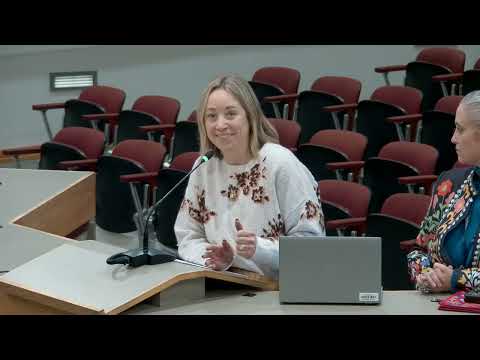
City staff briefed council on Nov. 17 about five Community, Housing and Human Services (CHHS) items covering housing and behavioral-health services, remaining HOME-ARP funds, eviction-prevention contracts, scattered-site housing contracts and inclement-weather bed procurements.
A CHHS presenter said the HEART recommendations come from a summer RFP and reflect housing and behavioral health services approved by the CHHS board. Staff said this final round of HOME-ARP funds will close out COVID-era HOME-ARP contracts and that roughly $800,000 remained for awards before the council.
On eviction prevention, staff explained the funds come to the city via the county as part of the state—s biennial allocation; the city had to accept the award from the county before subrecipients could be named. The contracts in question align with the state biennium and, per staff, would expire on June 30, 2027. Staff also described referral pathways: some "buy-in" organizations (named examples: Nuestra's, Carl Maxey) can accept referrals directly without going through coordinated entry, while other providers (SNAP, Catholic Charities, Volunteers of America for young adults) require coordinated-entry referrals. The city will prioritize certain referral pools to get funds to households more quickly.
Staff clarified eligibility by income: assistance will be targeted to households up to 60% of area median income (AMI) under CHG guidelines; exact prioritization criteria were said to reflect provider and household feedback. Council members pressed on whether the emergency declaration would be used to expedite contracting; staff said only the eviction-prevention contracting timeline uses the emergency pathway to move faster, and the procurements themselves were competitively run.
Staff said scattered-site and inclement-weather contracts are scheduled to start on Jan. 1, 2026; the inclement-weather RFP had been reopened because the initial responses offered fewer beds than the available funds would support. Recommendations from the reopened RFP will return to council for approval.
What happens next: CHHS recommendations and associated contract awards will return to council in forthcoming agenda packets for approval with contracts effective in early 2026 and eviction-prevention contracts aligned to the state biennium through mid-2027.