Get Full Government Meeting Transcripts, Videos, & Alerts Forever!
Get email alerts on the Use Of Force topic
No spam. Unsubscribe anytime.
Ombuds closing report flags phrasing, urges de‑escalation review after arrest with wrist injury
Summary
The Spokane OPOC reviewed closing report F25-006 describing an arrest that prompted a use-of-force review; the report recommends plain-language reporting, linking use-of-force reviews to de‑escalation policy, and further investigation for some supervisor actions.
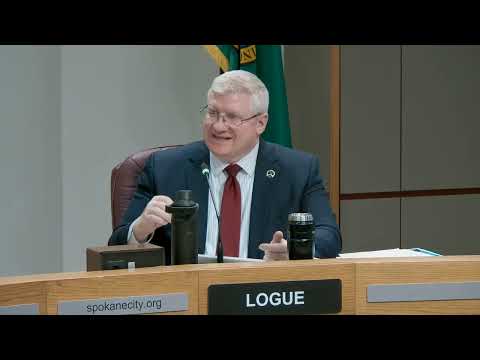
The Spokane Office of Police Ombudsman Commission on Nov. 18 scrutinized closing report F25-006, which details a police response to a domestic-violence no-contact order that resulted in an arrest and a complaint of wrist and bicep pain. Bart Logue, the ombuds, told commissioners officers believed they had probable cause and that three officers responded; the subject and officers ended up on the ground after officers moved for arm control and applied handcuffs. Jail staff documented notable wrist swelling, and medical exams followed.
Why it matters: The OPO deemed the case reviewable because of injury complaints and highlighted inconsistent narrative language in officer reports. Logue said the review board and supervisors recommended that officers be reminded to use communication and de‑escalation techniques before applying arm control and that supervisors document their perception of events in plain language rather than relying on “canned” phrases.
Logue said the report includes examples of 'Graham statements' — the officer’s assessment under Graham v. Connor — and recommended those be included in reports to clarify what officers knew or believed at the time. He warned that adding material long after an incident reduces clarity: “It’s not ideal to have things added in so long after the fact,” he said.
Commissioners pressed on the phrase "guided to the ground," asking whether it comes from training. Logue and staff said some trainings have used similar phrasing and that recent training efforts aim to reduce reliance on canned language so reports better reflect each officer’s perception. One commissioner who reviewed video of the incident said the response looked “very fast” and emphasized that time for de‑escalation can make contacts safer for both community members and officers.
The OPO recommended that every reviewable use of force also be evaluated against the department’s de‑escalation policy, and that supervisors conduct documented shift‑level discussions when policy adherence is uncertain. Commissioners did not adopt additional formal sanctions at the meeting but approved three recommendations from the closing report for implementation.
What’s next: The OPO will continue its follow-up, and commissioners asked SPD leadership for responses to the recommendations; staff said the chief has been engaged in pre-meetings and is likely to accept the suggestions.
Ending: The commission recorded the report discussion, approved listed recommendations by unanimous consent and moved to other agenda items.