Get Full Government Meeting Transcripts, Videos, & Alerts Forever!
Get email alerts on the Labor And Accessibility topic
No spam. Unsubscribe anytime.
Teachers press board on substitute pay, maternity leave and accessible facilities at Lodi Unified
Summary
During public comment staff and union representatives urged the district to revisit substitute pay and differential pay that affect disability and maternity leave, requested additional paid days and retro pay timelines, and asked the district to add accessible 'changing spaces' on campuses for students with significant medical needs.
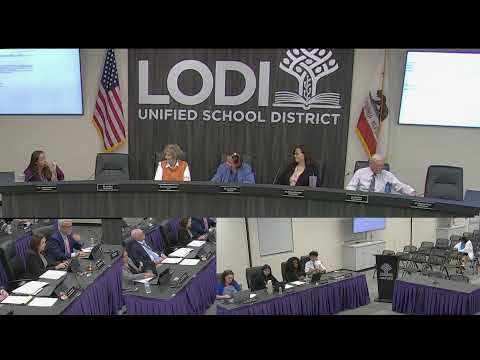
Several teachers, union leaders and staff used the Oct. 21 public-comment period to urge the Lodi Unified board to address pay and leave policies and to improve campus accessibility for students with complex medical needs.
Speakers including Lisa Lennon Wilkins (LEA president) and multiple classroom teachers raised concerns about substitute and differential pay. They said higher substitute rates reduce the net disability pay teachers receive when the district’s long-term substitute rate is treated as a benefit by disability insurers; one commenter described receiving roughly $6,500 gross monthly pay and outlined how substitute-pay calculations affect leave income. Speakers asked the board to direct bargaining teams to explore restoring a maternity differential rate, consider an additional five maternity days (as cited from a neighboring district example), and ensure retroactive salary adjustments appear on an agreed schedule.
Amy Tara, a special-education teacher, urged the district to include accessible 'changing spaces'—restrooms equipped with changing tables and Hoyer lifts—in every campus during remodels or new builds, saying staff currently must perform intimate medical care in classrooms because accessible bathrooms are not available. Tabitha, a structured-autism teacher, described severe staffing shortages in a classroom (only 3 of 5 assigned staff present) that led to inappropriate grade mixing and operational strain.
The board heard these comments and thanked speakers; members indicated awareness of the issues and encouraged bargaining and facilities follow-up. No formal board action was taken during the meeting to change pay or leave policy; speakers asked that the board direct bargaining teams and staff to study and report back.