Get Full Government Meeting Transcripts, Videos, & Alerts Forever!
Get email alerts on the Neighborhood Councils topic
No spam. Unsubscribe anytime.
Public urges grassroots neighborhood councils; commission forms subcommittee to draft framework
Summary
Public commenters and commissioners debated whether community councils should be grassroots or charter-mandated; the commission created a subcommittee to study models, gather maps and fiscal details, and return recommended language for the charter or ordinance.
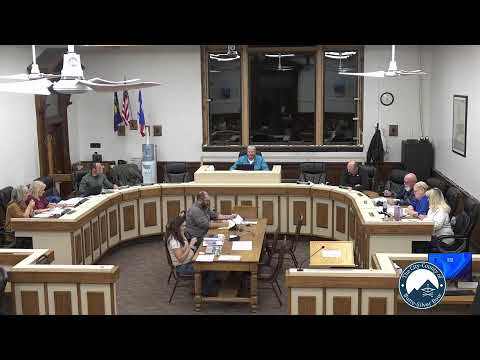
Members of the Silver Bow County Local Government Study Commission heard public comments Nov. 17 urging neighborhood-level councils built from the “ground up,” and the commission formed a subcommittee to draft options for how such groups could be recognized or authorized.
Mr. Bandarav, speaking for the Greeley Neighborhood Community Development Corporation and a group of concerned citizens, told the commission it should “erect the scaffolding and then let the pit people build the house,” and argued against “a $100,000 top down mandated community council program.” He asked the commission to include neighborhood community improvement councils and a Greater Butte‑Silver Bow Community Council in any charter changes and to give those bodies some authority to make consensual recommendations to the council of commissioners.
Larry Winstall, a local property owner, told the commission he currently cannot reach commissioners or staff by phone or email and asked commissioners to join a short walking tour in his neighborhood to see infrastructure concerns firsthand. He framed that invitation as part of the case for neighborhood councils: “We know what’s going on in our neighborhood, and we’d like to have a say in the government.”
Commissioners discussed two central tensions: whether neighborhood councils should be established by a specific charter amendment (which some commenters sought) or enabled through existing charter authority and local ordinance; and whether the county or grassroots volunteers would shoulder the administrative and fiscal burden. Commissioner Matt noted the charter already allows community councils to form, but said language can be clarified if the commission wants to make the process easier for residents to exercise that right.
Mitzi Risilian urged the commission to produce fiscal notes for any major charter items that could appear on the ballot, so voters can compare the costs of the current structure with proposed alternatives.
The commission did not adopt a charter amendment at the meeting. Instead Commissioners Chad and Mary volunteered to serve on a neighborhood‑council subcommittee to survey models used elsewhere, review the public’s proposals (including the group’s ordinance 14‑8 referenced by commenters), gather needed legal and fiscal information, and return recommended draft language and options to the full study commission.
The subcommittee was asked to coordinate with county staff and the council of commissioners as needed; the commission scheduled follow‑up work and expected to receive the subcommittee’s recommendations at a future meeting.