Get Full Government Meeting Transcripts, Videos, & Alerts Forever!
Get email alerts on the Local Regulation Massage Establishments topic
No spam. Unsubscribe anytime.
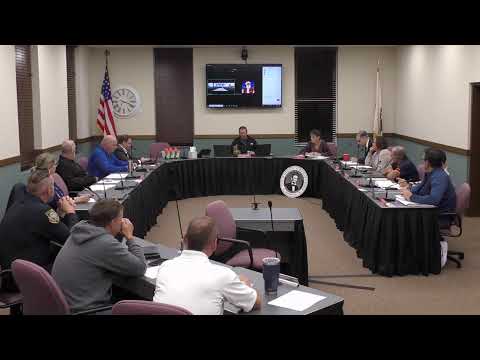
Lincoln council tables proposed massage-establishment ordinance after landlords and therapists raise concerns
Summary
City landlords and licensed massage therapists urged the council to revise a proposed local licensing ordinance, saying state licensing already covers training and background checks; the council voted to table the ordinance for further review and stakeholder meetings.
Lynette Bruce, a Lincoln landlord who manages multiple downtown properties, urged the City Council on Nov. 17 to delay action on a proposed ordinance regulating "massage establishments," saying the draft's documentation and facility requirements could be intrusive and force landlords to restrict leases.
"I'm just asking for you to please table your vote tonight," Bruce told the council, adding that she and tenants had identified a possible compromise used by Bloomington — a sole-proprietor affidavit — that would register licensed therapists without forcing landlords to submit every lease or floor-plan detail.
Licensed therapist Joyce Leesman, who practices at Springfield Clinic, told the council that state licensure already requires substantial education, fingerprinting and periodic background checks. "I do not believe adding a local licensing process to already licensed massage therapists is the answer," Leesman said, asking that sole proprietors be exempted or that the council table the ordinance to study alternatives.
City staff and legal counsel said the ordinance's aim is operational: local permits would give police and code officials faster tools to identify and shut down illicit businesses operating under the guise of massage therapy without lengthy court processes. The city attorney told the council that state licensing generally "should satisfy the requirements of the ordinance," but that local registration can help address operators who never obtained state credentials.
Council members pressed for a middle path — protecting residents from illegal operations while not imposing duplicative burdens on legitimate, state-licensed practitioners. Several aldermen asked staff to draft language that preserves enforcement tools for public-safety concerns but includes a clear, minimal pathway for sole proprietors to register and for licensed therapists to remain distinct from illicit operators.
By unanimous roll call, the council voted to table the ordinance to the next regular meeting so staff and councilmembers can work with affected therapists and landlords on revisions. The council or staff may return the item as a discussion item before the next committee meeting.
What happens next: the ordinance remains on the table; councilmembers said they expect further conversations with practitioners, landlords and law enforcement to refine exemptions and enforcement language before a final vote.