Nurses and social workers say clinics are overrun; board hears plan for more clinic assistants, CPR and naloxone training
Loading...
Summary
Health and safety presenters told the board the division’s five clinics logged 52,801 visits last year and outlined staffing requests (additional clinic assistants, longer nurse contracts), Project ADAM CPR training, naloxone training and a proposed Kindness Closet to support families.
The district’s health and safety advisory committee presented a broad report on student health needs, staffing shortfalls and safety initiatives.
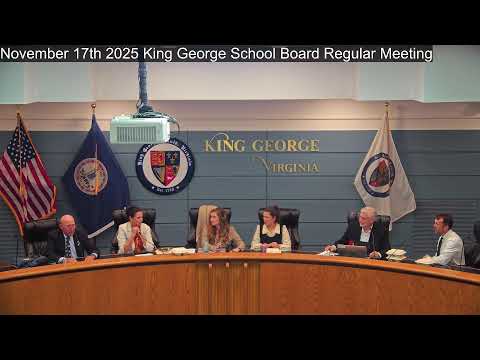
Mary Fisher, supervisor of student and family services, and lead nurse Sarah Linker reviewed clinic volumes and staffing. Linker said the five clinics recorded 52,801 visits last school year: about 68% were for illnesses and injuries, medication dispensing accounted for almost 24% of visits, and diabetes-related visits made up roughly 7.7% of clinic traffic. "Based on the volumes of our clinics ... we really need additional clinic assistance," Linker told the board and proposed increasing clinic assistants to three next school year and four the following year. She also recommended considering extending nurses’ contracts (from 10 to 10.5 months) and reviewing the nurse salary scale to retain staff.
The committee highlighted Project KIND (division-wide character education), a planned Kindness Closet to provide clothing and hygiene items to families (the presenters noted the Votek/VOTECH center is scheduled for demolition and urged planning for replacement space), and partnerships with community groups.
On emergency preparedness, Linker described Project ADAM (cardiac-arrest readiness) and a goal that at least 10% of staff at each school be certified in full CPR so schools can pursue a "heart-safe" designation. The division has held multiple CPR classes and trained 106 staff this fall in naloxone use; Linker also cited potential grants and a Gwyneth’s Gift partnership to increase AED coverage.
Fisher noted Title 4 is the primary ongoing federal funding stream for these efforts after ESSER and other COVID-era funds ended; she urged board consideration of contract extensions and competitive salary adjustments to sustain services.
Board members pressed for details and welcomed the invitation to visit clinics to observe workload; the board did not take immediate personnel-related action in open session, but the report framed budget and staffing priorities for upcoming county funding discussions.