
Two Rivers council debates options to sustain Maritime Metro Transit Route 1 as local contribution rises
Get AI-powered insights, summaries, and transcripts
Sign Up Free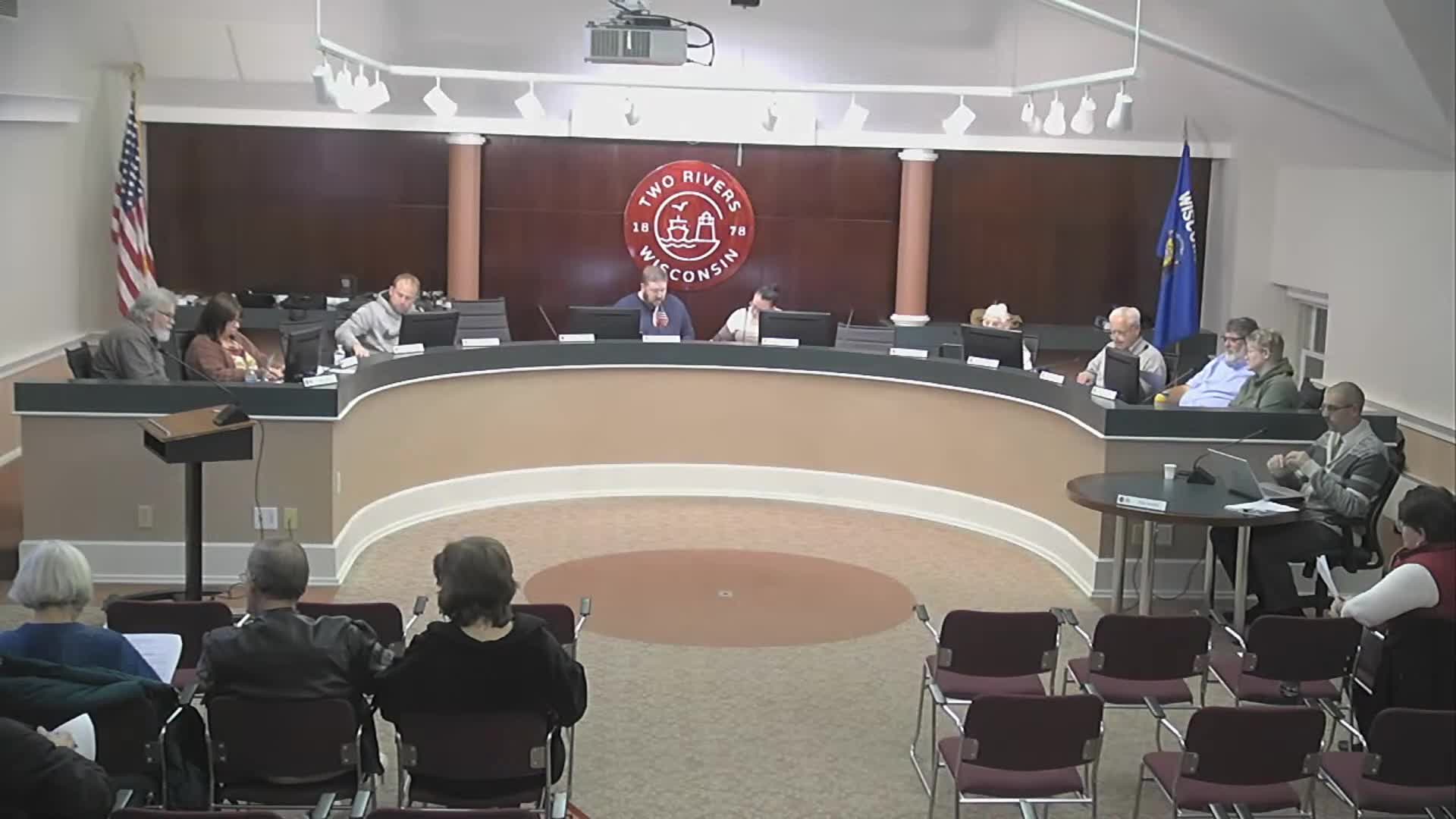
Summary
Councilors and residents urged saving MMT Route 1 while weighing how to pay for it: Two Rivers’ share for 2026 is roughly $156,000, staff said, and council discussed raising fares, scheduling changes and seeking institutional partners rather than voting on funding tonight.
City officials and residents told the Two Rivers City Council on Nov. 17 that Maritime Metro Transit’s Route 1 is essential to local mobility, but the route’s rising local cost has prompted a search for ways to hold service while lowering the burden on property taxpayers.
City Manager Kyle presented operational and fiscal details and said Two Rivers’ 2026 contribution is about $156,000, an increase staff characterized as roughly 44% over several years. Kyle said Route 1’s annual operating cost is about $205,378 and that the city currently subsidizes roughly $5.20 per ride while MMT’s single-ride fare remains $1.50. He noted capital purchases for future buses are expected to be in the $750,000–$800,000 range and that capital funding is typically 80% federal/20% local while operations are funded roughly 50% federal/50% local.
In public comment, resident Catherine Dahlke said she sought records and received e-mail exchanges showing the city has been discussing reduced contributions; she urged more transparency and warned that cutting support could eliminate paratransit service for residents who rely on it. "If Two Rivers decided they could not afford Route 1 and it was pulled, there would be no paratransit at all," Dahlke told the council.
Council members discussed a range of alternatives. Several said they also want Route 1 preserved but suggested rebalancing who pays. Councilor Sam argued the disparity between what riders pay and what taxpayers pay was unfair and recommended seeking a more balanced split between fares and local subsidy. Another member proposed pursuing contributions from major institutional stops such as the school district or Aurora hospital; Kyle said staff has reached out to those entities but no commitments were in place.
Other ideas included trimming low-ridership midday hours, creating a local shuttle that connects to Manitowoc’s hub, forming a task force to explore options, and keeping the current funding level while awaiting MMT’s upcoming five-year transit-development analysis. Several councilors stressed any change would need to consider equity for seniors and medical riders and to avoid sudden service disruptions.
No vote or formal funding decision was taken on Nov. 17; council members directed staff to continue talks with MMT, explore institutional cost-sharing and return with options and data for a later work session.