Lawmakers press witnesses on whether AI policy rewards large firms; witnesses call for legal clarity
Loading...
Summary
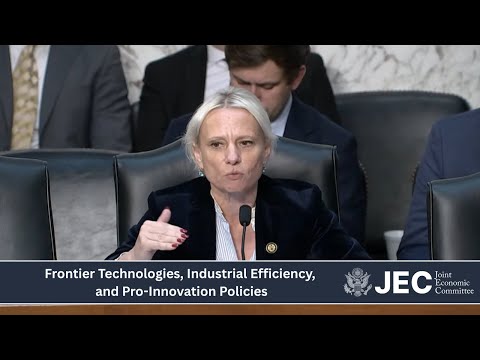
During questions, the gentlewoman from Indiana warned that subsidies and unclear rules risk concentrating AI advantages in large firms; witnesses said AI can also lower entry barriers and urged clearer legal definitions and targeted supports such as R&D tax credits.
The gentlewoman from Indiana questioned witnesses about whether federal support and unclear rules are tilting the AI field toward a handful of large firms, saying, “So it's garbage in, garbage out,” to underscore concerns about data quality and the consequences of poor inputs for AI systems.
She told the panel that subsidies and credits often flow to firms with the most resources, which she said can deepen market distortions. “We give more subsidy to larger companies, and smaller businesses [are] struggling more and more,” she said, urging Congress to consider legal and consumer-protection frameworks that would make the market more accessible to small businesses.
An unidentified witness on the panel pushed back on blanket assumptions that AI necessarily produces stronger concentration. He said AI "flips some of those normal oligopoly assumptions," arguing that advanced models can come from narrow, highly capable teams and that the technology can enable new entrants. He recommended policy clarity—citing the need for explicit definitions of "AI" and pointing to research-and-development tax credits as a potential tool to support firms across the size spectrum.
The gentlewoman followed by asking business witnesses how policymakers could ensure younger workers develop the skills needed to use AI productively rather than being displaced by it. A witness who described his company’s work in quantum computing said his industry is creating jobs by making previously unsolvable problems tractable and urged multi-level government support to "build the application software layer." He noted quantum topics have made their way into some high-school and undergraduate curricula.
The exchange closed when the gentlewoman said her time had expired. No formal legislative action or vote took place during this segment.
Why it matters: Lawmakers are weighing how to balance support for AI development with competitive markets and workforce preparation. Witnesses urged clearer statutory or administrative definitions and targeted incentives so smaller firms and the next generation of workers can participate in AI-driven growth.