Get Full Government Meeting Transcripts, Videos, & Alerts Forever!
Get email alerts on the Attendance topic
No spam. Unsubscribe anytime.
Vancouver approaches 65% attendance target but disparities widen; district launches dashboard and targeted supports
Summary
Director Andre Harginati reported the district nearly met its attendance goal (64.9% vs. 65% target) while disparities between student groups increased; staff described a new dashboard and Chuquees/Trukees family-focused supports, interpreters, and parent-volunteer pilots to close gaps.
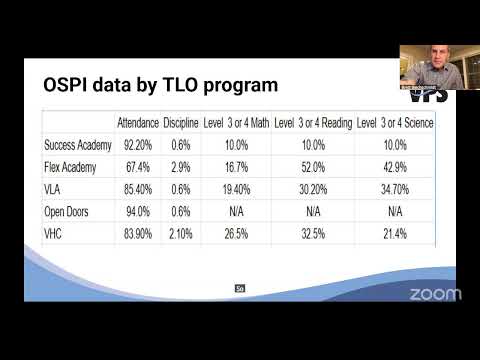
Director of Student Welfare and Attendance Andre Harginati told the board the district set a target to raise the share of students with 90%+ attendance from 62.7% to 65%. Updated, cleaned data show the district at 64.9% — close to the target — and overall attendance up year-over-year, even as disparities between student groups grew.
Harginati said the district deployed a new attendance dashboard that disaggregates rates by race and program (HiCap, special education, 504, multilingual learners, students experiencing homelessness) so staff can track where disparities persist. He emphasized the district’s focus is not only raising averages but closing gaps.
Dania Otto, a district bilingual interpreter and family liaison, described community-facing tactics: interpreter training to expand capacity for parent conferences, an interpreter-translation workflow where staff translate teacher emails into families’ languages and make joint calls, and a pilot to place trained parent volunteers in school hallways to reduce tardies and increase family engagement.
“We are trying to support students and families in our district with attendance,” Dania said, describing classroom‑level meetings that include students, parents and teachers and, when needed, follow-up that reduces repeat referrals.
Board members asked for detail on the dashboard and urged staff to send the board written recommendations from community advisory groups. Staff noted that closing disparities will require school-level interventions, district professional development and continued monitoring.