Get Full Government Meeting Transcripts, Videos, & Alerts Forever!
Get email alerts on the Affordable Housing Programs topic
No spam. Unsubscribe anytime.
CRA staff proposes changes to Eastside home-rehab program and a separate rental-development fund
Summary
CRA staff told the Eastside Redevelopment Board they intend to split the Residential Property Improvement Program into an owner-occupant RPIP and a separate rental-development program, propose competitive annual awards for RPIP, and seek board involvement in scoring; FY2026 RPIP funding was cited at $250,000.
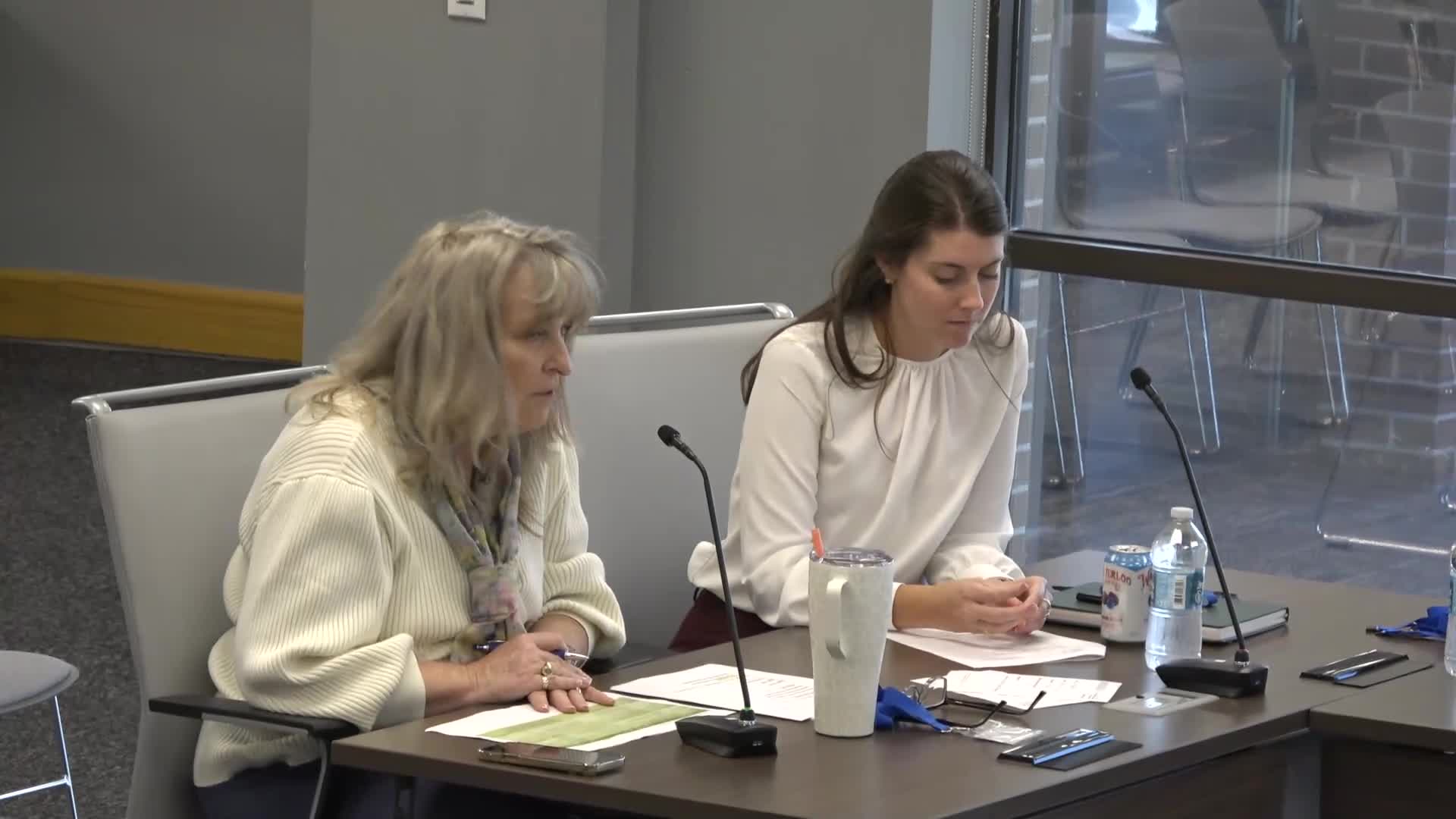
CRA staff told the Eastside Redevelopment Board that they plan to separate the city’s Residential Property Improvement Program (RPIP) — targeted to homeowner-occupants — from a new rental-development program aimed at increasing affordable rental units.
Amanda Childers, CRA program coordinator, described RPIP as a rehabilitation program that can fund projects “up to $105,000 per project.” She said the district currently has two applications in review, two invited to apply for full funding and two projects under contract; a related resiliency program offers up to $15,000 per project for storm-hardening work, with one invited application and one contract in place.
Staff said the CRA proposes two major changes: first, split RPIP (owner-occupant rehabilitation) from a rental-development program for landlords or heirs who wish to convert inherited homes to rental use; second, end the standing RPIP waiting list and use an annual competitive application process with a scoring matrix and direct board participation in candidate selection. “We will make it competitive on an annual basis, take applications until the funding runs out, and then close it,” a CRA staff member said, arguing the change would reduce the administrative burden of maintaining a long wait list.
Staff cited an anticipated RPIP budget of $250,000 for fiscal year 2026 and said that at the $105,000 maximum award that amount would fund roughly two projects (or more if awards are smaller). For the proposed rental-development program staff described an approach that would support heir properties with up to $100,000 for renovation and could provide developers up to $75,000 per unit or up to $550,000 total for projects of up to 10 units; recipients would be required to keep units affordable for a pre-specified period.
Board members and residents asked for clarity on eligibility, AMI thresholds and how affordability would be enforced. Staff noted income eligibility is measured versus area median income (AMI) and varies with household size; as an example from the packet they cited 120% AMI for a family of four as $117,720. Residents raised concerns that improving rental properties using TIF funds could “enrich” landlords; a resident speaker argued that if rental owners benefit from public funds while collecting market rents it could be inequitable. CRA staff responded that the program intends to require affordability commitments and that the rental program may operate as a revolving loan fund or use nonprofit banking partners to manage repayments rather than simply giving away funds.
Staff said more details — including the scoring matrix, affordability targets (for example 80% AMI or other tiers), and legal review language — will be presented to the CRA board once legal has cleared program documents. They also invited board participation in selection and training set for January that will include CRA 101 and sunshine-law guidance.
The board did not take a formal vote on the program design during the meeting; staff said the rental-development program is still under legal review and will come back to the board for approval if and when legal and staff sign off. The next procedural step is to finalize program documents for board consideration and present them to the CRA board for approval if the local redevelopment board’s recommendation is supported.